Most men never talk about it. They struggle quietly, avoid the subject with their partner, and either reach for a pill or simply stop trying. Erectile dysfunction is one of the most common health conditions affecting men in the UK — and one of the least openly discussed.
The NHS estimates that erectile dysfunction affects approximately 50% of men between the ages of 40 and 70. That is not a rare condition. That is half of all middle-aged men. And yet the shame attached to it means that most men either self-medicate with over-the-counter Viagra or do nothing at all.
This article gives you the honest, complete picture — what erectile dysfunction actually is, why it develops, what the underlying causes are, and what the full range of treatment options looks like in 2026. Including options that most men have never been told about.
What Is Erectile Dysfunction?
Erectile dysfunction is the persistent inability to achieve or maintain an erection firm enough for sexual intercourse. The key word here is persistent. Almost every man experiences difficulty with an erection at some point in his life. Stress, alcohol, exhaustion, anxiety — all of these can affect performance on a given occasion without indicating any underlying problem.
Erectile dysfunction becomes clinically relevant when it happens consistently — not once or twice, but regularly, over a period of weeks or months. When it starts affecting your relationships, your confidence, and your quality of life, it deserves proper attention. It is also worth separating erectile dysfunction from other related concerns. Some men confuse it with low libido (reduced desire for sex), premature ejaculation, or difficulty with orgasm. These are distinct conditions, though they sometimes overlap. Erectile dysfunction specifically refers to the mechanical inability to achieve or sustain an erection — regardless of desire or arousal.
What Causes Erectile Dysfunction?
This is where most generic health websites stop short. They list the conditions associated with erectile dysfunction without explaining the underlying mechanisms — or what that actually means for your treatment options.
The erection process involves a precise sequence of events. Sexual arousal triggers the nervous system to send signals to the penile blood vessels. Those vessels relax and widen. Blood flows in rapidly and fills two chambers inside the penis — the corpora cavernosa. The pressure of that blood creates the erection. The whole process depends on healthy blood vessels, healthy nerves, and appropriate hormonal signalling.
When any part of that sequence fails, erectile dysfunction results. The causes broadly fall into two categories: physical and psychological. In most men over 40, the cause is primarily physical — though psychological factors almost always compound the problem over time.
Physical Causes
Cardiovascular disease and poor blood flow are the most common physical drivers of erectile dysfunction. The penile blood vessels are small. Atherosclerosis — the narrowing of arteries from fatty deposits — restricts blood flow throughout the body. The penis is often the first place men notice the effects of cardiovascular disease, because small vessels are affected before larger ones. Erectile dysfunction can be an early warning sign of heart disease — one that should never be ignored.
Diabetes significantly increases the risk of erectile dysfunction. High blood sugar over time damages both the nerves and the blood vessels that the erection process depends on. Men with poorly controlled diabetes are at substantially higher risk than those whose blood sugar is well managed.
High blood pressure damages arterial walls and reduces the capacity of blood vessels to dilate. Many medications used to treat high blood pressure also list erectile dysfunction as a side effect — creating a frustrating situation for patients.
Obesity affects erectile function through multiple pathways simultaneously. Excess body fat disrupts hormonal balance — particularly reducing testosterone levels. It contributes to cardiovascular disease and diabetes. And it can reduce physical confidence in ways that compound the psychological burden.
Low testosterone — hypogonadism — reduces sexual desire and can impair erectile function directly. Testosterone levels decline naturally with age in men, though the rate varies considerably between individuals.
Neurological conditions — including multiple sclerosis, Parkinson’s disease, and spinal cord injuries — can disrupt the nerve signals that initiate and maintain an erection.
Peyronie’s disease — a condition where fibrous scar tissue develops inside the penis, causing painful or curved erections — can make sexual intercourse difficult or impossible without treatment.
Prostate surgery and pelvic radiotherapy frequently affect erectile function by damaging the nerves and blood vessels in the area. Many men who undergo treatment for prostate cancer experience significant erectile dysfunction as a result.
Psychological Causes
Performance anxiety is the most common psychological cause of erectile dysfunction in younger men. The fear of failing to perform creates a self-fulfilling cycle — anxiety impairs the physiological response, which creates more anxiety, which further impairs the response.
Depression affects sexual function both directly — by dampening desire and arousal — and indirectly through the side effects of antidepressant medication, many of which list sexual dysfunction among their most common effects.
Relationship difficulties, unresolved conflict, and poor communication with a partner create an emotional environment that makes relaxed intimacy difficult. Sex is not simply a physical act. The psychological context matters enormously.
Stress — from work, finances, family, or health — activates the body’s stress response. Cortisol and adrenaline divert blood flow away from the genitals and towards the muscles. A chronically stressed body is physiologically primed for the opposite of sexual arousal.
In practice, most men with erectile dysfunction have a combination of physical and psychological factors at play. A vascular problem that causes difficulty on one occasion quickly generates anxiety that perpetuates the problem even on occasions when the vascular function would otherwise be sufficient.
How Is Erectile Dysfunction Diagnosed?
A proper diagnosis involves more than a brief conversation and a prescription. Dr Abbas conducts a thorough clinical assessment — taking a full history of your symptoms, your general health, your medications, and your lifestyle. He will discuss the pattern of your difficulties: does it happen every time, or only in certain situations? Do you experience morning erections? Has anything changed recently?
Physical examination and targeted blood tests help identify underlying causes. These typically include testosterone levels, blood glucose, cholesterol, and blood pressure. In some cases, specialist investigations are appropriate — including penile Doppler ultrasound to assess blood flow directly.
The goal is not simply to confirm that erectile dysfunction is present — that is usually self-evident. The goal is to understand why it is happening. That understanding is what makes effective, targeted treatment possible.
Treatment Options for Erectile Dysfunction
The range of effective treatments available in 2026 is considerably broader than most men realise. Treatment is not simply a choice between Viagra and doing nothing.
Lifestyle Changes
For many men, particularly those in the earlier stages of vascular-related erectile dysfunction, lifestyle modification produces meaningful improvement. The evidence behind this is strong.
Regular aerobic exercise improves endothelial function — the health of the lining of blood vessels — and has been shown in clinical studies to improve erectile function independently of other changes. Weight loss reduces the hormonal and cardiovascular burden on the body. Stopping smoking removes one of the most potent drivers of vascular damage. Reducing alcohol consumption improves hormonal balance and neurological function.
None of these changes are quick fixes. But they address the underlying physiology rather than simply masking the symptom.
PDE5 Inhibitors — Viagra, Cialis, and Their Alternatives
PDE5 inhibitors remain the most widely used first-line treatment for erectile dysfunction. They work by relaxing the smooth muscle in the penile blood vessels, allowing blood to flow in more easily when sexual arousal occurs. They do not cause an erection independently — sexual stimulation is still required.
Sildenafil (Viagra) is the most well-known. Tadalafil (Cialis) is taken daily at a lower dose or as needed and has a longer duration of action — up to 36 hours. Vardenafil (Levitra) and avanafil (Spedra) are alternatives.
These medications are effective for a significant proportion of men. But they are not without limitations. They do not work for everyone — particularly men with advanced vascular disease or nerve damage. They carry side effects including headache, flushing, nasal congestion, and visual disturbances. Men with certain cardiovascular conditions — particularly those taking nitrate medications — cannot take them safely. And they provide a temporary effect lasting a few hours per dose, without addressing the underlying cause.
For men who no longer respond adequately to PDE5 inhibitors, or who cannot take them safely, the question becomes: what comes next?
The P-Shot — A Regenerative Option That Most Men Have Never Heard Of
This is where the conversation moves beyond what most NHS pages and generic health websites cover.
The P-Shot — also known as the Priapus Shot — is a non-surgical treatment that uses your own blood to stimulate tissue repair, grow new blood vessels, and restore sensitivity within the penis. It contains no synthetic drugs. It uses no foreign materials. Every component of the treatment comes from your own body.
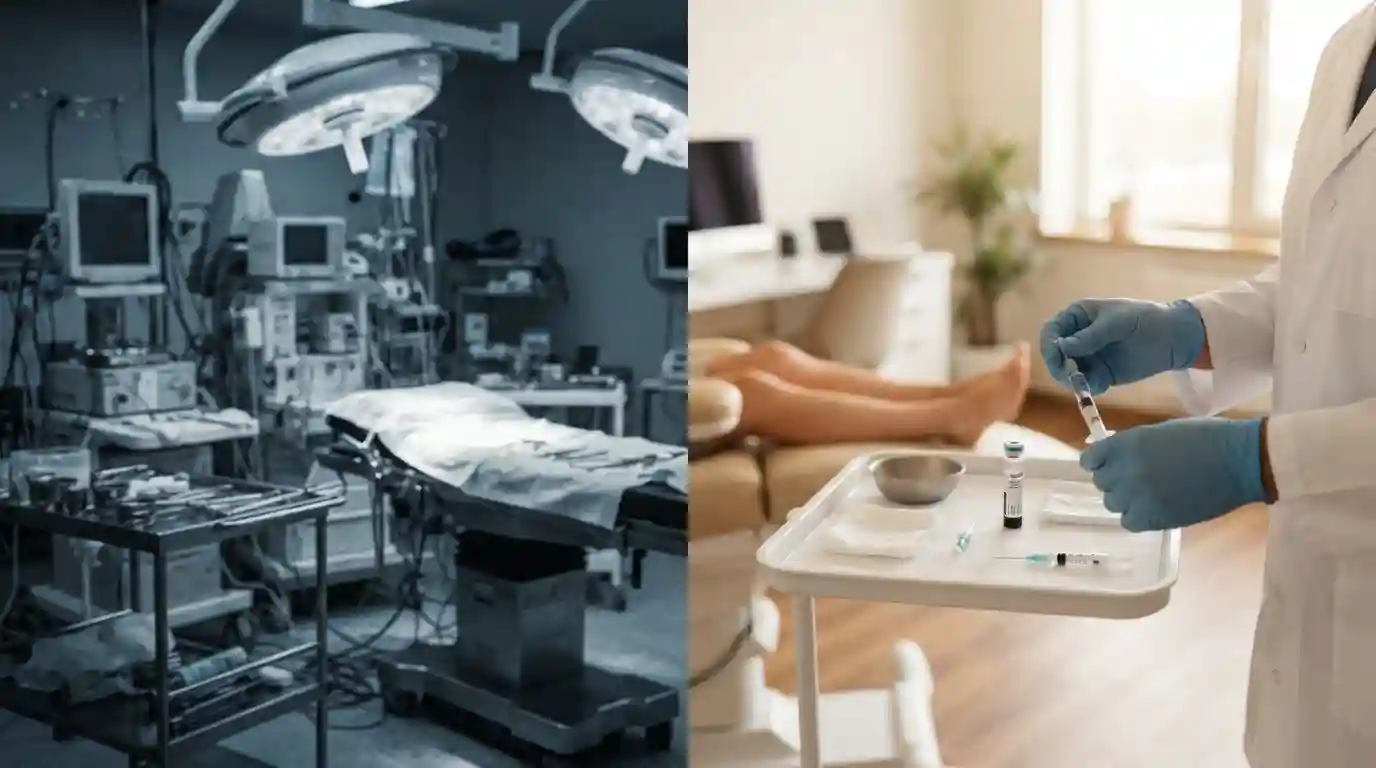
Here is how it works. A small blood sample is taken from your arm — similar to a routine blood test. That sample is processed in a medical-grade centrifuge using a dual-spin protocol that concentrates the platelet-rich plasma to a high yield. Platelets contain growth factors — proteins that your body uses to trigger healing and tissue regeneration. The doctor injects this concentrated plasma into targeted areas of the penile tissue using ultra-fine needles.
The biological mechanisms behind the P-Shot are well understood. Vascular endothelial growth factor (VEGF) and platelet-derived growth factor (PDGF) — both present in concentrated PRP — stimulate angiogenesis: the formation of new blood vessel networks. Better vascularisation means stronger, more reliable blood flow to the penis. The same growth factors support nerve fibre renewal, which is where many men notice some of the most meaningful improvements — restored sensitivity and responsiveness that had been dulled for years.
A 2021 randomised, double-blind, placebo-controlled trial published in the Journal of Sexual Medicine found that intracavernosal PRP injections produced clinically significant improvements in erectile function at the six-month follow-up. This is the gold standard of clinical research — and the results held up under that level of scrutiny.
Results from the P-Shot build gradually over eight to twelve weeks as new blood vessels form. Most men notice early changes around week four — improved sensitivity, stronger morning erections. Full results typically appear between weeks eight and twelve. Those results last approximately twelve months on average, with many men choosing an annual maintenance session.
The P-Shot is particularly well suited for men with:
- Mild to moderate vascular-related erectile dysfunction
- Reduced penile sensitivity
- Peyronie’s disease
- Post-surgical changes following prostate treatment
- Disappointing results from PDE5 inhibitors
At Dr SNA Clinic, the P-Shot is performed by Dr Syed Nadeem Abbas personally — from blood draw to final injection. He holds specialist P-Shot certification through the American Cellular Medical Association, making him one of a small number of UK-based physicians formally certified in this specific procedure. The clinic is based at 48 Wimpole Street, Marylebone, London — a CQC-regulated facility in the Harley Street Medical Quarter.
Shockwave Therapy
Low-intensity shockwave therapy uses acoustic waves to stimulate blood vessel formation and break down micro-scar tissue within the penis. It is a non-invasive, painless procedure performed in a series of short sessions. Evidence suggests it produces meaningful improvements in men with vascular erectile dysfunction.
Combining the P-Shot with shockwave therapy is widely considered the most comprehensive non-surgical approach available. The acoustic waves enhance cellular uptake and support further angiogenesis alongside the growth factors delivered by PRP. At Dr SNA Clinic, this combined approach is available as the Enhanced P-Shot package.
Vacuum Erection Devices
A vacuum pump creates negative pressure around the penis, drawing blood into it and creating an erection. A ring is then placed at the base of the penis to maintain the erection. Vacuum devices are effective and carry no systemic side effects. They are particularly useful for men who cannot take PDE5 inhibitors. They are, however, mechanical and require some adjustment in how intimacy is approached.
Penile Implants
Penile implants are the most invasive and most definitive option. A surgical prosthesis — either inflatable or semi-rigid — is placed permanently inside the penis. They produce excellent patient satisfaction rates and last ten years or more on average. They are typically considered when all other options have been exhausted, and they represent a significant surgical undertaking with a recovery period of several weeks.
When Should You Seek Help?
The honest answer is sooner than most men do. The average man with erectile dysfunction waits approximately two years before seeking medical advice. That delay is costly — not just to sexual health and relationships, but potentially to overall health, since erectile dysfunction is frequently an early marker of cardiovascular disease.
You should speak to a clinician if:
- Erectile difficulties are happening consistently over several weeks
- The problem is affecting your confidence, your relationship, or your mental health
- You have risk factors for cardiovascular disease — high blood pressure, high cholesterol, diabetes, obesity, or smoking
- You are over 45 and have not had a cardiovascular health check recently
- You are taking medication that may be contributing to the problem
There is nothing to be embarrassed about. Erectile dysfunction is a medical condition. It has identifiable causes and effective treatments. Seeking help is not weakness — it is exactly what you would do for any other health problem.
Frequently Asked Questions — Erectile Dysfunction
Is erectile dysfunction permanent? Not necessarily. For many men, particularly where the cause is predominantly lifestyle-related or psychological, erectile dysfunction is entirely reversible with the right treatment and lifestyle changes. Even where permanent physiological changes have occurred, effective treatments exist that restore function.
Can erectile dysfunction be a sign of heart disease? Yes — and this is important. The penile blood vessels are small. They are often the first to show the effects of cardiovascular disease. Persistent erectile dysfunction in a man with no obvious psychological cause warrants a cardiovascular assessment.
Does the P-Shot hurt? Most men describe the sensation as mild pressure rather than pain. A topical numbing cream is applied before the procedure. A penile nerve block is available on request. The full appointment takes 30 to 45 minutes and requires no recovery period.
Can I get the P-Shot on the NHS? No. The P-Shot is a private treatment not currently available on the NHS. At Dr SNA Clinic, 0% finance is available to spread the cost over several months.
How long do P-Shot results last? Results last approximately twelve months on average. Many men choose an annual maintenance session. Some notice sustained improvements beyond twelve months, particularly when the P-Shot is combined with shockwave therapy.
What is the fastest treatment for erectile dysfunction? PDE5 inhibitors such as Viagra and Cialis produce results within 30 to 60 minutes of taking the medication. They are the fastest acting option. Regenerative treatments like the P-Shot produce better long-term tissue improvement but work gradually over weeks.
Can psychological erectile dysfunction be treated without medication? Yes. Psychosexual therapy, cognitive behavioural therapy, and couples counselling are all effective approaches for erectile dysfunction with a significant psychological component. For many men, a combination of psychological support and a physical treatment works best.
Is erectile dysfunction more common with age? The risk increases with age — but age alone does not cause erectile dysfunction. The conditions that accompany ageing — cardiovascular disease, diabetes, hormonal changes, medication use — are the real drivers. Many men in their 60s and 70s maintain excellent erectile function.
Final Thoughts
Erectile dysfunction is not something you have to simply live with. It is not an inevitable part of getting older. It is a medical condition with identifiable causes and a genuinely broad range of effective treatments.
Whether your next step is a GP conversation, a lifestyle overhaul, a trial of medication, or an assessment for the P-Shot at a private clinic — taking that step matters. The longer erectile dysfunction goes unaddressed, the more entrenched the physical and psychological patterns become.
Dr Syed Nadeem Abbas sees men from across the UK and internationally at Dr SNA Clinic’s Wimpole Street practice in London. If you are ready for an honest, thorough assessment and a frank discussion of your options — without pressure, without judgement — a consultation is the right place to start.
You do not have to manage this alone.
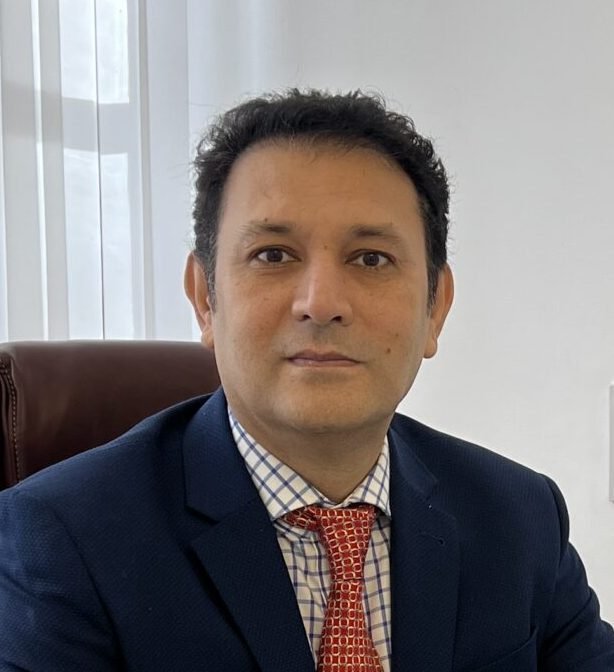
Dr Syed Nadeem Abbas, MBBS, MRCSEd, MSc (Distinction), is a GMC-registered physician with specialist expertise in male sexual health, PRP therapy, and regenerative medicine. He is based at 48 Wimpole Street, Marylebone, London W1G 8SF.
To book a confidential consultation, call +44 7955 836986 or visit drsnaclinic.com/p-shot-treatment-london
Read More: P Shot Side Effects: What Are the Risks and How Common Are They?
How Is PRP Prepared for the P Shot? From Blood Draw to Injection