You have done your research. The P shot treatment makes sense to you. You understand the science behind platelet-rich plasma, browsed p shots before and after accounts online, and quietly felt encouraged. Perhaps you have even checked the Priapus shot price and decided it fits your budget. However, there is one question that almost every man forgets to ask — and it may be the most important one of all.
What medications are you currently taking, and do any of them disqualify you from p shot treatment?
This is not a minor administrative detail. It is a clinical question that directly affects your safety, whether the PRP works as intended, and whether your expected results are even achievable. The wrong combination of drugs and a penile injection growth procedure can undermine everything. Certain medications actively interfere with platelet function, clotting, healing, and tissue response.
Men searching for p shot London clinics rarely find this information written clearly in one place. Most articles describe what the P shot does. Far fewer explain what stops it from working — or what stops you from being eligible. Moreover, no responsible practitioner proceeds without reviewing your full medication history first. Therefore, before you book anywhere in the UK, understand exactly what the clinical red flags are.
This article covers drug interactions, disqualifying conditions, what a proper pre-treatment review looks like, and where to find a doctor-led priapus shot london clinic that puts your safety first.
Visit for relevant information: Can the P Shot UK Be Done on a Patient with Heart Disease or Diabetes?
Why Medications Matter So Much with the P-Shot
The P shot treatment uses your own platelet-rich plasma. A clinician draws a small blood sample, processes it in a centrifuge, and then delivers the concentrated growth factors via p injection into the penile tissue. These growth factors stimulate new blood vessel formation, support nerve renewal, and encourage collagen production in the treated area.
The key word here is platelets. If anything in your system suppresses platelet function, reduces platelet count, or thins your blood significantly, the quality of your PRP drops — and so does the effectiveness of the procedure.
However, the concern goes beyond effectiveness. Some medications create genuine safety risks alongside injection-based procedures. Understanding which drugs fall into which category is therefore essential before you proceed.
Blood Thinners and Anticoagulants: The Most Common Disqualifier
Anticoagulants are the group of medications most likely to disqualify a patient from the P shot — at least temporarily.
Warfarin, rivaroxaban, apixaban, edoxaban, and dabigatran all reduce clotting risk in patients with conditions such as atrial fibrillation, deep vein thrombosis, or pulmonary embolism. These drugs directly interfere with the clotting mechanisms that govern how PRP behaves after injection. Furthermore, any injection in a patient on full anticoagulation raises the risk of localised bleeding and bruising significantly.
At Dr SNA Clinic London, patients currently taking warfarin or newer oral anticoagulants are generally not suitable. However, the team may reconsider if therapy can be safely paused under medical supervision — agreed with your prescribing physician in advance.
This is not a decision you make alone. It requires proper clinical coordination. Therefore, if you take any blood-thinning medication and are considering p shot uk treatment, raise this at consultation before assuming you are ineligible. A safe pathway may exist.
Antiplatelet Drugs: A Closely Related Concern
Antiplatelet medications work differently to anticoagulants, but the concern for p shot treatment is similar. Drugs such as aspirin (at higher doses), clopidogrel, prasugrel, and ticagrelor reduce platelet stickiness and activity. Since the entire premise of priapus shot therapy relies on harvesting highly active, concentrated platelets, suppressing their function directly counteracts the treatment.
Low-dose aspirin (75mg daily) taken for cardiovascular prevention sits in a slightly different category. Many patients take it long-term, and its effect on PRP concentration varies between individuals. Dr SNA Clinic reviews each case individually. However, patients on dual antiplatelet therapy following a cardiac event or stent procedure are unlikely to qualify without specialist sign-off.
If you take aspirin for pain relief rather than cardiovascular reasons, stopping it several days before treatment — under medical advice — may be an option worth exploring with your GP.
NSAIDs: Often Overlooked, Always Relevant
Non-steroidal anti-inflammatory drugs (NSAIDs) such as ibuprofen, naproxen, and diclofenac are so widely available that many men overlook them when listing their medications. Yet NSAIDs temporarily inhibit platelet aggregation and can reduce the efficacy of PRP harvested during the P shot procedure.
Most clinicians advise patients to avoid NSAIDs for at least five to seven days before their appointment. Paracetamol is generally a safe alternative for pain management in the lead-up to treatment.
This is one of the more manageable interactions. It does not disqualify a patient — but ignoring it reduces the quality of your treatment.
Corticosteroids: An Often-Ignored Interaction
Long-term or high-dose corticosteroid use — including oral prednisolone, dexamethasone, and some inhaled or injected formulations — can suppress the immune response and alter tissue healing. Since the p-shot relies on an active biological healing response triggered by growth factors, a system suppressed by corticosteroids may respond more slowly or less completely.
Corticosteroids can also reduce platelet activity and affect the quality of PRP produced. Patients on long-term steroid therapy for conditions such as autoimmune disease, severe asthma, or inflammatory bowel disease should disclose this at consultation. It does not automatically disqualify a patient — but it does affect how realistic the expected results are.
Chemotherapy and Immunosuppressants: Active Treatment Is a Clear Disqualifier
Patients currently undergoing chemotherapy, radiotherapy, or immunotherapy — particularly in the pelvic region — are not suitable for the priapus shot. This is a firm clinical boundary, not a case-by-case judgement.
Active cancer treatment compromises platelet production, immune function, and tissue integrity. These changes make PRP therapy both less effective and potentially unsafe. At Dr Abbas at Dr SNA Clinic, this exclusion applies without exception while treatment is ongoing.
Men who have completed cancer treatment and now explore the p-shot for post-surgical recovery may qualify on a case-by-case basis. A full medical history review remains essential. The timing of any previous pelvic radiotherapy or prostatectomy will significantly influence suitability.
PDE5 Inhibitors: Not a Disqualifier — But Worth Discussing
Sildenafil (Viagra), tadalafil (Cialis), and vardenafil do not disqualify a patient from the p-shot. In fact, many men comparing male enlargement injections cost uk options actively seek a drug-free, long-term alternative to these medications.
That said, disclosing your PDE5 inhibitor use at consultation still matters. Some patients take them daily at low doses for vascular benefit. Others use them on demand. Understanding your pattern of use helps the clinician assess your baseline and set realistic expectations around your results.
The priapus shot frequently attracts men who cannot tolerate PDE5 inhibitors, or who have stopped responding to them. For these patients, addressing the underlying vascular physiology — rather than relying on a pharmaceutical mechanism — often produces more durable outcomes.
Hormone Therapies and Testosterone: Context Matters
Testosterone replacement therapy (TRT), prescribed for hypogonadism or age-related testosterone decline, does not automatically disqualify a patient. However, it provides important context for the consultation.
Men who have undergone or are currently undergoing hormone therapy for prostate cancer may have significantly altered vascular and tissue physiology. The candidacy assessment for these patients therefore requires particular care.
Anti-androgens and GnRH agonists — used in prostate cancer management — suppress testosterone to castrate levels and substantially alter penile tissue health. The p-shot may still apply to some of these patients post-treatment, but expectations must reflect their physiological reality.
Bleeding Disorders and Platelet Dysfunction: An Absolute Contraindication
Some patients have conditions that affect how their platelets function or how many they produce. Thrombocytopenia, haemophilia, von Willebrand disease, and related conditions make PRP therapy inappropriate — and in some cases unsafe.
The entire mechanism of the priapus shot depends on harvesting functional, active platelets in sufficient concentration. If a patient’s platelets are too few or fail to function normally, the treatment cannot deliver its intended effect. Furthermore, injecting into vascular penile tissue in a patient with a clotting disorder carries meaningful risk.
At drsnaclinic.com, patients with known bleeding disorders or platelet dysfunction are not suitable candidates. The team reviews this openly at consultation.
Local Anaesthetic Allergies: A Practical Consideration
The P-shot procedure uses topical numbing cream or a penile nerve block as standard. Patients with a known allergy to local anesthetics — such as lidocaine — must disclose this before booking.
Alternative comfort options may not always be available. This does not mean permanent disqualification, but it does require a detailed conversation at consultation to determine whether the procedure can proceed safely and comfortably.
Active Infections: A Temporary Disqualifier
Men with an active genital infection — including any sexually transmitted infection or local skin infection in the treatment area — cannot proceed with the penis shot until that infection fully resolves.
This is not a permanent disqualification. The clinic can reschedule treatment once the infection clears. Proceeding with any injection into infected tissue carries significant clinical risk and contradicts basic medical safety standards.
What a Proper Medication Review Looks Like
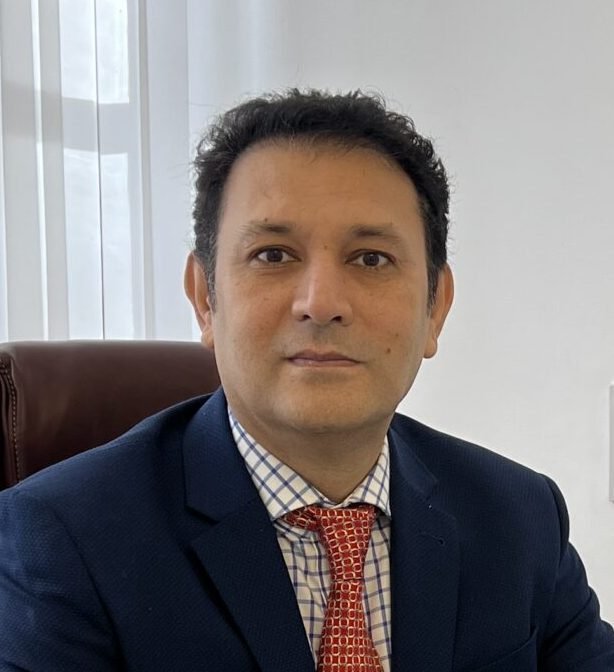
Any credible p shot uk provider conducts a thorough medication and medical history review before recommending treatment. At Dr SNA Clinic, the pre-treatment consultation with Dr Syed Nadeem Abbas covers:
Your current prescription medications — including anticoagulants, antiplatelets, steroids, and hormones. Over-the-counter drugs and supplements — including aspirin, ibuprofen, fish oil, and vitamin E, all of which can affect platelet function. Chronic health conditions — including diabetes, cardiovascular disease, and autoimmune disorders. Recent or current cancer treatment — particularly pelvic radiotherapy or prostatectomy. Known allergies — including any local anaesthetic reactions.
This review is not a formality. It directly determines your candidacy, shapes your realistic results, and establishes whether any medication adjustments are needed before you proceed.
No obligation to continue exists at consultation. However, attending without disclosing your full medication history undermines the value of the process entirely.
Clinic Details, Pricing, and How to Book
Dr SNA Clinic London sits at 48 Wimpole Street, Marylebone, London W1G 8SF. The clinic runs from 10:00 to 18:00 (UK time).
The Standard P-Shot starts from £1,250. This includes a dual-spin PRP session, topical numbing or nerve block, all injections performed personally by Dr Abbas, and both a six-week and twelve-week follow-up consultation. The Enhanced P-Shot combined with low-intensity shockwave therapy costs £1,350. Both packages carry the same post-treatment follow-up structure.
0% finance is available for patients who prefer to spread the cost. The priapus shot price is confirmed in full before any decision — no hidden fees.
To book a consultation, call 07955 836986 or visit drsnaclinic.com. Online booking is also available at drsnaclinic.com/booking.
Each p-shot appointment takes between 30 and 45 minutes. Most patients return to normal daily activity — including driving and desk-based work — the same day.
P-Shot Before and After: What Realistic Progress Looks Like
Understanding the P shot treatment before and after the timeline helps manage expectations. Growth factors in PRP stimulate a biological process — new blood vessels form, nerve fibers renew, and tissue quality improves gradually over time.
Most patients notice early sensitivity improvements within the first two to four weeks. Stronger morning erections are commonly reported around the four-week mark. The most significant p-shot before and after changes typically appear between weeks eight and twelve. Results can persist for twelve months or longer on average, depending on age, general health, and the underlying cause of the concern.
Men who search for p-shot before and after accounts online often find widely varying anecdotal reports. The most reliable benchmark is always the individual consultation — where Dr Abbas reviews your specific presentation and gives you an honest, evidence-based assessment.
Conclusion
The priapus shot is a clinically credible, non-surgical option for men seeking to address erectile dysfunction, reduced sensitivity, and related concerns without relying on long-term pharmaceuticals. However, it does not suit every patient — and medication history is one of the most important determining factors.
Blood thinners, antiplatelet drugs, active cancer treatment, and bleeding disorders can all disqualify a patient temporarily or permanently. NSAIDs, corticosteroids, and certain supplements can reduce PRP quality even when they pose no direct safety risk. A thorough pre-treatment review by a qualified physician is therefore not optional — it is the foundation of safe and effective care.
At Dr SNA Clinic London, every patient completes a detailed consultation with Dr Syed Nadeem Abbas before any treatment decision. The clinic sits at 48 Wimpole Street, Marylebone, London W1G 8SF, and opens from 10:00 to 18:00. The Standard P-Shot starts from £1,250, with 0% finance available. You can learn more here or call 07955 836986 to speak with the team.
If you currently take any of the medications discussed in this article and wonder whether the p-shot remains an option, the most useful step right now is to book a consultation — so the right clinician can review your full picture and give you the honest answer you deserve. Are you ready to take that first step towards regaining your confidence and wellbeing?
Read More: P Shot London
P Shot Side Effects: What Are the Risks and How Common Are They?
P Shot Treatment: What Is PRP and Why Is It Used in the P Shot?