

Knee pain in ladies is far more common than most people realise — and far more serious than most doctors acknowledge. Women are significantly more likely to develop knee osteoarthritis than men. They experience it earlier, more severely, and with greater impact on their daily quality of life. And yet, for years, many women simply accept it as something they have to live with.
They do not have to.
This guide explains why knee pain in ladies is so prevalent, what is actually driving the problem biologically, and what treatments are now available — including the Arthrosamid injection, a single non-surgical treatment that is changing the way suitable patients manage knee osteoarthritis in the UK.
Why Are Women More Affected by Knee Pain Than Men?
This is not bad luck. There are clear, well-documented biological and structural reasons why knee pain in females is so much more common — and understanding them helps you make smarter decisions about treatment.
1. Hormonal Changes After the Menopause
Oestrogen does far more than regulate the reproductive system. It plays an active role in protecting joint cartilage. It reduces inflammatory activity and supports the tissue that cushions the knee. When oestrogen levels drop significantly at menopause — typically in a woman’s late 40s or 50s — the cartilage loses some of that protection almost overnight.
This is why so many women notice their knee pain appears or worsens noticeably in their 50s. It is not coincidence. It is biology.
2. The Q-Angle — How Your Pelvis Affects Your Knee
Women have a wider pelvis than men. This creates a greater angle between the hip and the knee — what clinicians call the Q-angle. A wider Q-angle places more lateral stress on the inside of the knee with every single step you take. Over years and decades, this increased mechanical load accelerates cartilage wear, particularly on the inner side of the joint.
3. Muscle Strength Differences
The quadriceps muscles at the front of the thigh are the knee’s primary shock absorbers. On average, women have less quadriceps mass and strength relative to body weight than men. Less muscle protection means the joint itself absorbs more impact during walking, stair climbing, and everyday movement.
4. Ligament Laxity
Women tend to have more flexible ligaments than men. Around the knee, this can mean less joint stability — and less stability over time increases the risk of cartilage damage and accelerates the development of osteoarthritis.
What Causes Knee Pain in Females — The Most Common Conditions
Knee pain in ladies is not always osteoarthritis, though that is the most common cause in women over 50. Here is an honest overview of the most frequent culprits:
Knee osteoarthritis — cartilage wears down over time, leading to pain, stiffness, and swelling. The most common cause of knee pain in women after the menopause.
Patellofemoral pain syndrome — pain around or behind the kneecap. More common in younger active women and those who walk or cycle regularly.
Iliotibial band syndrome — pain on the outer side of the knee, often triggered by repetitive movement.
Meniscal tears — damage to the cartilage pads inside the knee. Can occur through injury or gradually over time.
Bursitis — inflammation of the fluid-filled sacs around the knee joint, often caused by kneeling or overuse.
Rheumatoid arthritis — an inflammatory autoimmune condition that affects women three times more often than men.
A proper clinical assessment is essential before any treatment begins. The right approach depends entirely on what is actually driving the pain in your specific situation.
My Knee Hurts When I Bend It and Straighten It — What Does That Mean?
This is one of the most common things women describe in consultation. Pain or stiffness when bending and straightening the knee — particularly first thing in the morning or after sitting for a long time — is a classic early sign of knee osteoarthritis.
Other signs that your knee pain may be osteoarthritis include:
- A creaking or grinding sensation when you move the knee
- Swelling around the knee that comes and goes
- Stiffness after rest that loosens slightly after a few minutes of movement
- Pain that gets worse with activity and better with rest — then eventually worse all the time
- Difficulty with stairs, getting in and out of a car, or rising from a low chair
None of these symptoms confirm osteoarthritis on their own. A clinical assessment, review of your symptoms, and imaging where appropriate are needed before any diagnosis is confirmed.
What Is the Fastest Way to Relieve Knee Pain in Ladies?
There is no single fastest solution — the right approach depends on the cause. Here is an honest, practical guide from self-management through to more advanced treatment options.
Self-Management First
Rest and reducing activities that aggravate the knee in the short term. Ice packs wrapped in a cloth for 15 to 20 minutes to manage acute swelling. Paracetamol for mild to moderate pain — NICE recommends it as the first-line option because it is effective, well-tolerated, and has fewer side effects than anti-inflammatory drugs. Gentle low-impact exercise such as swimming or cycling to maintain strength and range of movement. Even modest weight loss significantly reduces the mechanical load on the knee.
When Self-Management Is Not Enough
Physiotherapy with targeted exercises to strengthen the muscles around the joint. Short-term steroid injections for acute flare-ups — effective but not a long-term solution, and repeated use can damage cartilage over time. Topical NSAIDs such as diclofenac gel applied directly to the knee are often recommended before oral anti-inflammatory tablets.
When these options stop providing adequate relief, patients need to think differently about treatment.
What Is the Best Painkiller for Knee Pain?
For mild to moderate knee pain, paracetamol is the first-line recommendation from NICE. It is effective, well-tolerated, and avoids the gastrointestinal risks associated with anti-inflammatory drugs — particularly important for older women or those with stomach, kidney, or heart conditions.
For more significant pain or inflammation, topical NSAIDs such as diclofenac gel are a sensible next step before moving to oral options. Oral ibuprofen or naproxen can help but should be used cautiously, particularly in post-menopausal women.The important thing to understand is this: painkillers manage the symptom. They do not address the underlying structural problem in the knee. That is where treatments like the Arthrosamid injection play a fundamentally different role.
How Arthrosamid Injection Can Help Women With Knee Pain
Arthrosamid injection is specifically designed for mild to moderate knee osteoarthritis — which is precisely the most common cause of knee pain in ladies over 50. For women who have tried physiotherapy, steroid injections, and pain relief without lasting improvement, it offers a genuinely different approach.
What Is Arthrosamid Injection?
Arthrosamid is a non-biodegradable hydrogel made of 97.5% water and 2.5% cross-linked polyacrylamide. It is injected directly into the knee joint under ultrasound guidance. Unlike steroid injections that reduce inflammation temporarily, or hyaluronic acid that supplements joint fluid, Arthrosamid is designed to integrate physically with the synovial membrane — the soft tissue lining of the knee.
Once injected, the hydrogel disperses within the synovial fluid and is gradually taken up into the synovial membrane through the joint’s natural filtering process. Official Arthrosamid materials describe this integration as largely complete within four to six weeks.
How Long Do the Results Last?
Published clinical studies report sustained improvements in pain and function for up to five years after a single injection in suitable patients. A 2025 five-year follow-up study confirmed continued meaningful improvements at that point.
For a woman who has been managing persistent knee pain for years, that kind of sustained relief — from a single, non-surgical procedure — has a value that goes well beyond the upfront cost.
What Does It Feel Like for Women Who Have Had It?
Many women who were struggling with daily activities — stairs, walking, gardening, sleep — report meaningful improvement in their quality of life following treatment. It is not a cure. It does not reverse the arthritis. But for the right patient, Arthrosamid can genuinely restore confidence in movement and reduce the constant background of pain that so many women simply learn to live with.
Arthrosamid Injection Cost UK — What You Pay at Dr SNA Clinic
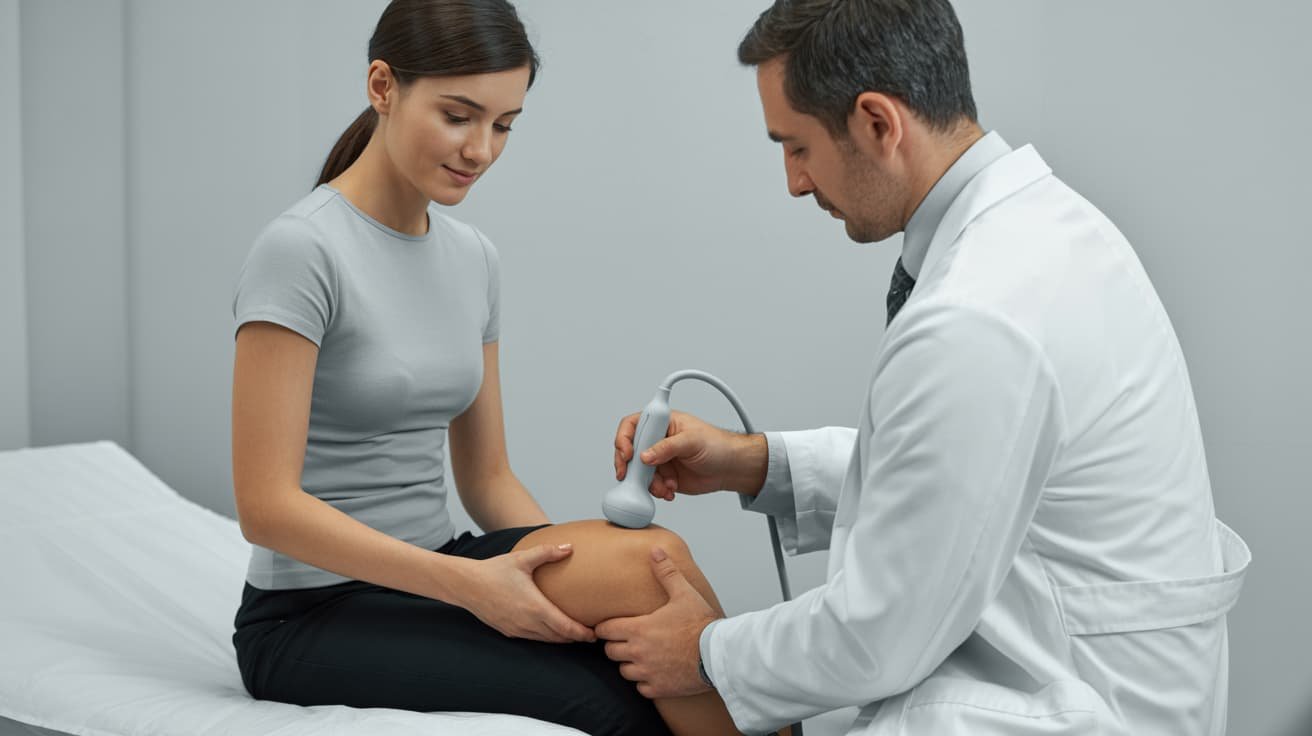
Patients researching the Arthrosamid injection cost UK deserve a straight answer. At Dr SNA Clinic in London, pricing is published transparently with no hidden fees.
| Treatment | Price | What Is Included |
| Single knee | £2,800 | Full consultation, ultrasound-guided injection, physio guidance, supplement advice, follow-up support |
| Both knees | £5,300 | Everything above for both knees, assessed and treated in one appointment |
| Initial consultation | £100 | Fully redeemable — deducted from treatment cost if you proceed |
0% finance is available, allowing you to spread the cost over several months with no interest. Ask the team for details at consultation.
How Does the Arthrosamid Injection Cost Compare?
| Provider | Single Knee | Both Knees |
| Dr SNA Clinic | £2,800 | £5,300 |
| St John & St Elizabeth Hospital | £3,025 | £5,895 |
The Arthrosamid injection cost at Dr SNA Clinic sits in the mid-range. But price alone does not tell the full story. Every injection is performed personally by Mr S N Abbas — a consultant with six years of NHS Trauma and Orthopaedics training at Cambridge and Oxford. Ultrasound guidance, follow-up, and prophylactic antibiotics are all included as standard.
Is the Arthrosamid Injection Cost Worth It?
For many patients, the better question is: what is the cost of not treating it?
Steroid injections cost around £150 to £300 each. If you need three or four a year — and the relief keeps shrinking — the costs add up. Repeated steroid use also damages the joint over time. Arthrosamid is a single injection. For someone who has been managing knee pain for years, the value of up to five years of sustained relief far exceeds the upfront Arthrosamid injection cost.
Who Performs the Arthrosamid Injection at Dr SNA Clinic?
Every Arthrosamid injection at Dr SNA Clinic is performed personally by Mr Syed Nadeem Abbas, MBBS, MRCSEd, MSc (Distinction). He does not delegate this treatment.
Mr Abbas spent over six years in NHS Trauma and Orthopaedics at major hospitals including Cambridge and Oxford. He holds postgraduate membership of the Royal College of Surgeons of Edinburgh and an MSc with Distinction from Queen Mary University of London. He holds formal Arthrosamid certification through the American Cellular Medical Association — one of a small number of UK-based clinicians with this specific credential.
When he assesses your knee, he approaches it the way a surgeon would — not simply deciding whether to inject it, but reviewing the degree of osteoarthritis, your overall joint health, and whether Arthrosamid is genuinely the right option or whether something else would serve you better.
Can I Get Arthrosamid on the NHS?
No. Arthrosamid injection is not currently available on the NHS. NICE has not yet endorsed it as a standard NHS treatment pathway for knee osteoarthritis. The clinical evidence base is growing — including the published five-year follow-up study — but NHS adoption is a gradual process and Arthrosamid is not yet part of routine NHS commissioning.
This means the full cost is paid privately. There is no NHS referral required. You can self-refer directly.
Some private medical insurance policies do cover Arthrosamid injection. It is always worth checking directly with your insurer before booking. At Dr SNA Clinic, 0% finance is available to help spread the Arthrosamid injection cost over several months.

Frequently Asked Questions — Knee Pain in Ladies and Arthrosamid
What causes knee pain in females?
Knee pain in ladies most commonly results from osteoarthritis. Women are disproportionately affected due to hormonal changes at menopause that reduce oestrogen’s protective effect on cartilage, a wider pelvic Q-angle that increases stress on the knee, and differences in quadriceps strength and ligament laxity. Other causes include patellofemoral pain syndrome, meniscal tears, bursitis, and rheumatoid arthritis.
My knee hurts when I bend it and straighten it. Could it be osteoarthritis?
Pain or stiffness on bending and straightening — particularly in the morning or after sitting for a while — is a common symptom of knee osteoarthritis. A clinical assessment with imaging review is needed to confirm the cause.
Is Arthrosamid injection suitable for women?
Yes. Arthrosamid is specifically designed for mild to moderate knee osteoarthritis, which is the most common cause of knee pain in women over 50. Suitability is confirmed at consultation with Mr Abbas.
How long does Arthrosamid last?
Published clinical studies report sustained improvements for up to five years after a single injection in suitable patients. Individual outcomes vary.
What is the Arthrosamid injection cost UK?
At Dr SNA Clinic, the Arthrosamid injection cost UK is £2,800 for a single knee and £5,300 for both knees. The initial consultation costs £100 and is redeemable against treatment cost if you proceed.
Book Your Consultation at Dr SNA Clinic, London
If you are a woman experiencing persistent knee pain — particularly if you are in your 50s or 60s and have noticed it worsening — it is worth finding out whether Arthrosamid injection could be suitable for you.
The consultation with Mr Abbas is the essential first step. He will assess your symptoms, review any imaging, and give you an honest view of whether Arthrosamid is the right option for your specific situation. There is no obligation to proceed.
Dr SNA Clinic 48 Wimpole Street, Marylebone, London W1G 8SF 📞 +44 7955 836986 | +44 20 3846 7111 ✉ info@drsnaclinic.com 🕙 Monday to Saturday, 10:00 – 18:00