Erectile dysfunction is often spoken about quietly, yet it affects millions of men across the UK. For years, the usual answer has been medication — a quick fix that manages symptoms but rarely tackles the root cause. More and more men are now looking for something different. They want treatments that work with their bodies, not just around them.
The P Shot treatment is one of those options. It uses platelet‑rich plasma (PRP) taken from a patient’s own blood to encourage repair and restore natural function. For many, it offers more than improved performance — it brings back confidence, intimacy, and quality of life.
What makes the P‑Shot stand out is not just the science, but the process itself. Every stage matters: the blood draw, the careful preparation of PRP, and the final injection. Yet despite its growing popularity, few men know what really happens behind the scenes.
This article walks through the full process. From the first blood draw to the final injection, every step shapes the outcome.
What Is P Shot Treatment?
P shot treatment — formally called the Priapus Shot — uses platelet-rich plasma (PRP) drawn from the patient’s own blood. A trained clinician injects this concentrated plasma into specific areas of the penis. The aim is to stimulate tissue repair, improve blood flow, and support healthier erectile function over time.
The treatment does not use synthetic drugs or foreign substances. Instead, it relies entirely on the patient’s own biology. That is one reason it appeals to men who want to avoid pharmaceutical side effects or who have not responded well to conventional options.
Clinics offering P shot London services provide this as a private medical procedure. The NHS does not currently fund it. However, research published in journals such as the Journal of Sexual Medicine suggests real clinical potential — particularly for men with mild to moderate erectile dysfunction.
Understanding what is PRP helps explain why the preparation stage is so critical to treatment success.
What Is PRP and How Does It Work?
PRP stands for platelet-rich plasma. Blood naturally contains several components — red cells, white cells, plasma, and platelets. Platelets are small cell fragments whose main role involves triggering the body’s repair response after injury.
Each platelet carries proteins called growth factors. These proteins signal surrounding cells to rebuild damaged tissue, generate new collagen, and form fresh blood vessels. Scientists call the process of new vessel formation angiogenesis. When a clinician concentrates platelets and injects them into tissue, those growth factors deliver a powerful regenerative signal.
Standard blood contains roughly 150,000 to 400,000 platelets per microlitre. After processing, PRP can carry three to five times that amount. This concentrated dose amplifies the healing response significantly.
Therefore, the quality of PRP preparation directly determines how well P shot treatment works. Poorly processed PRP delivers weaker results. Carefully prepared PRP gives the body a much stronger signal to repair and rebuild.
Step One: The Blood Draw
Every session of P shot treatment begins with a straightforward blood draw. A clinician draws between 15 and 60 milliliters of blood from the patient’s arm. That volume is slightly more than a standard blood test but well within normal clinical limits.
The blood goes into tubes containing an anticoagulant. This substance prevents early clotting, which would interfere with the separation process. Clotted blood cannot be properly centrifuged — so this step protects the quality of the final PRP.
Most men tolerate the draw without difficulty. The process takes under five minutes. Immediately after, the sample moves to the centrifuge for processing.
Step Two: Centrifugation — Separating the Components
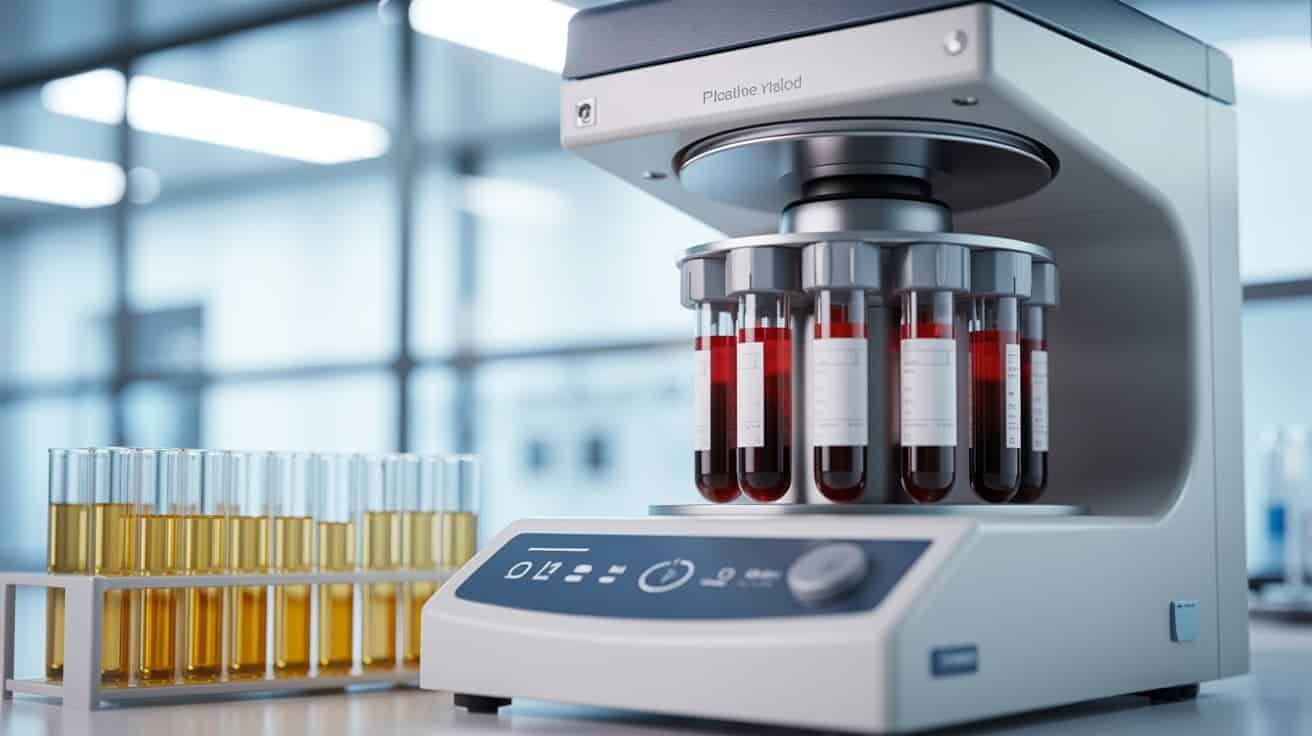
Centrifugation is the most technically important stage of p shot treatment preparation. The centrifuge spins the blood sample at high speed, creating centrifugal force that separates components by density.
Red blood cells — the heaviest component — sink to the bottom. Lighter plasma and platelets rise toward the top. Between them sits a thin layer called the buffy coat, which contains a high concentration of platelets and white blood cells.
Single-Spin and Double-Spin Methods
Clinics use one of two centrifugation approaches. Single-spin protocols spin the sample once and collect the upper platelet-rich layer. Double-spin protocols perform a second centrifugation on the collected plasma to increase platelet concentration further.
Double-spin PRP typically delivers higher platelet counts. However, the equipment quality and clinical technique matter just as much as the number of spins. Patients should focus on the practitioner’s experience and the systems they use — not just the marketing language around spin protocols.
The centrifuge runs for roughly eight to fifteen minutes. Precise timing and speed depend on the kit manufacturer and the protocol the clinic follows. Reputable providers use validated, consistent systems rather than off-the-shelf equipment.
Step Three: Extracting and Activating the Plasma
Once centrifugation finishes, the clinician carefully draws the platelet-rich layer into a syringe. Precision at this stage matters enormously. Accidentally drawing in red blood cells from below contaminates the sample and weakens its regenerative potential.
Some clinicians activate the PRP before injection. Activation causes platelets to release their growth factors immediately. Common activating agents include calcium chloride and thrombin. Other practitioners prefer to skip activation and allow the tissue environment itself to trigger growth factor release after injection.
Both approaches appear in the published literature. NICE and the Royal College of Surgeons have called for more standardised PRP protocols to allow proper clinical comparison. Currently, the lack of uniform standards makes interpreting study results across different clinics difficult.
What the evidence consistently supports is freshness. PRP works best when prepared and used on the same day. Most clinicians use the prepared sample within two hours of processing.
Step Four: Numbing the Treatment Area
Before any injection takes place, the clinician applies a topical anaesthetic cream to the penis. This cream numbs the surface tissue and reduces discomfort significantly during the procedure.
The cream needs 20 to 30 minutes to reach full effect. Clinicians use this waiting time productively — reviewing the patient’s notes, confirming the injection plan, or addressing any last-minute questions.
Most men report feeling mild pressure during the injection rather than pain. Additionally, clinicians sometimes offer a penile nerve block for patients who prefer deeper numbing. The anaesthetic approach always reflects individual needs and comfort levels. No two patients receive exactly the same preparation.
Step Five: The Injection Itself
The actual Penile injection takes only a few minutes. Using a fine-gauge needle, the clinician delivers the PRP to targeted locations. These typically include the corpus cavernosum — the erectile tissue running along the shaft — and sometimes the glans.
The number of injection sites varies based on the protocol and individual anatomy. Experienced practitioners map out the injection points in advance to maximise coverage of the erectile tissue while protecting sensitive structures.
Growth factors begin their cellular work almost immediately following injection. However, tissue remodelling takes time. The body needs weeks to generate new collagen, recruit repair cells, and form new capillaries. Patients should not expect overnight results.
Recovery After P Shot Treatment
Most men resume normal daily activity on the same day. Sexual activity typically becomes possible within 24 to 48 hours. Some men notice temporary swelling or minor bruising near the injection sites — both resolve within a few days.
Clinicians frequently recommend using a vacuum erection device in the days following P shot treatment. Regular use draws blood into the treated erectile tissue and may help distribute growth factors more effectively through the corpus cavernosum.
P Shot Before and After: What Do Results Look Like?
P shot before and after outcomes vary between individuals. The underlying cause of erectile dysfunction, the patient’s overall health, and the quality of PRP preparation all influence results.
Several clinical studies report meaningful improvements in erectile function scores following P shot procedures. A 2021 review in Sexual Medicine Reviews found promising outcomes for PRP injections in erectile dysfunction, while noting the need for larger randomized controlled trials. The P-shot before and after experience is therefore not uniform — and clinicians should always present realistic expectations during consultation.
Many men notice early changes between four and six weeks post-treatment. Others experience gradual improvement over three to six months. A second session sometimes enhances results for men who see partial benefit from the first.
Regarding P Shot UK costs — Priapus shot price varies considerably. Most private London clinics charge between £2000 and £3,000 per session. Male enlargement injections cost UK comparisons should always account for the practitioner’s qualifications, the clinic’s governance standards, and whether aftercare is included in the fee.
Is P-Shot Treatment Safe?

The P injection uses autologous material — meaning it comes entirely from the patient’s own body. This makes allergic reactions or immune rejection extremely unlikely. The body does not recognize its own platelets as foreign.
Side effects are generally mild. Temporary bruising, minor swelling, and slight soreness at the injection site are the most common. Serious adverse events are rare when practitioners follow proper sterile technique and clinical protocols.
The Priapus shot London market has expanded rapidly in recent years. Quality across providers varies significantly as a result. Patients should verify that their practitioner holds recognized medical qualifications and that the clinic operates under CQC registration. The Care Quality Commission regulates private medical clinics in England, and its public register allows patients to check clinic status independently.
For a broader view of regenerative medicine developments in sexual health, P Shot London offers well-researched context on emerging treatment approaches.
Who Should Consider P Shot Treatment?
P shot treatment suits men who want a non-pharmaceutical approach to erectile dysfunction. It also attracts men who have not responded adequately to PDE5 inhibitors such as Viagra, or who cannot take them due to other medications or cardiovascular conditions.
Unlike drug-based treatments, P shot treatment does not require the patient to take anything before sexual activity. If the treatment succeeds, improvements reflect genuine tissue regeneration — not temporary vasodilation from a pill.
Additionally, some men combine Priapus shot therapy with low-intensity shockwave therapy (Li-ESWT). Small studies suggest this combination may produce stronger outcomes than either treatment alone. A thorough clinical assessment helps determine whether a combined approach suits the individual patient.
Testosterone levels also matter. Men with low testosterone may find that P shot treatment delivers limited benefit until hormonal balance improves. A pre-treatment blood panel often reveals whether additional support is needed alongside the procedure.
The Importance of Choosing the Right Clinic
Not every clinic offering the P Shot UK delivers the same standard of care. The practitioner’s medical training, the equipment they use, and the quality of their consultation process all determine how well the treatment performs.
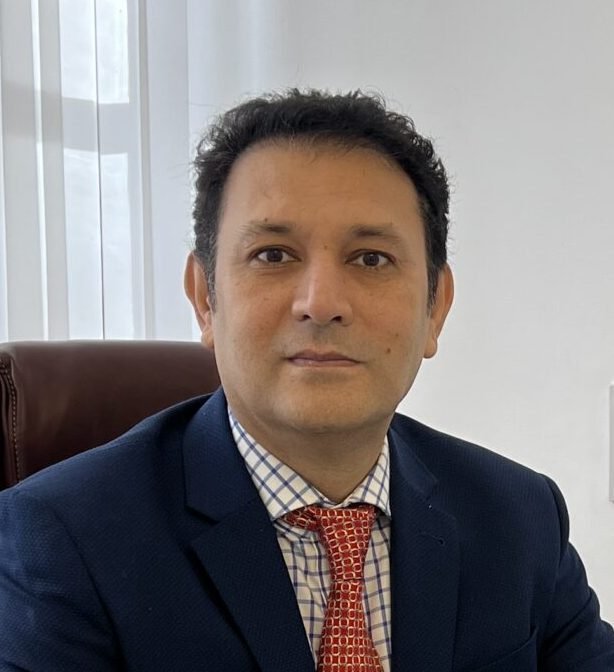
At Dr SNA Clinic, Dr Syed Nadeem Abbas — MBBS, MRCS RCS Edinburgh, MRCGP, MSc Aesthetic Plastic Surgery with Distinction from Queen Mary University London, trained at Cambridge, Oxford, and the Royal London Hospital — leads a Harley Street clinic where clinical rigour and patient safety guide every treatment decision.
Patients should always ask prospective providers about their centrifuge systems, their PRP protocols, and the number of cases they have handled. A clinician who welcomes those questions demonstrates genuine confidence in their process.
Conclusion
P shot treatment is a carefully structured, science-backed procedure. Every stage — from blood draw through centrifugation, extraction, and injection — shapes the quality of the final outcome. Preparation is not incidental. It is central to the treatment’s success.
The Priapus shot is not a guaranteed fix. However, it offers men a legitimate, low-risk option grounded in the body’s own repair mechanisms. As clinical evidence continues to build and protocols become more standardized, its role in men’s sexual health will only grow clearer.
Choosing an experienced, qualified clinician remains the single most important decision a patient can make. The procedure itself is straightforward. The judgement behind it is what makes the difference.
So, if you have been quietly managing erectile difficulties and wondering whether there are alternatives worth exploring — have you spoken to a medical professional about whether P shot treatment could be right for you?
Read More: P Shot London
P Shot Side Effects: What Are the Risks and How Common Are They?
P Shot Treatment: What Is PRP and Why Is It Used in the P Shot?