
Many patients living with chronic knee osteoarthritis reach a point where physiotherapy and anti-inflammatory medications no longer offer enough relief. Steroid injections wear off in weeks. Hyaluronic acid gives mixed results. Then comes the question: is there something that lasts longer? Arthrosamid has emerged as one of the most discussed answers to that question — and the clinical evidence behind it is worth examining carefully.
What Is Arthrosamid?
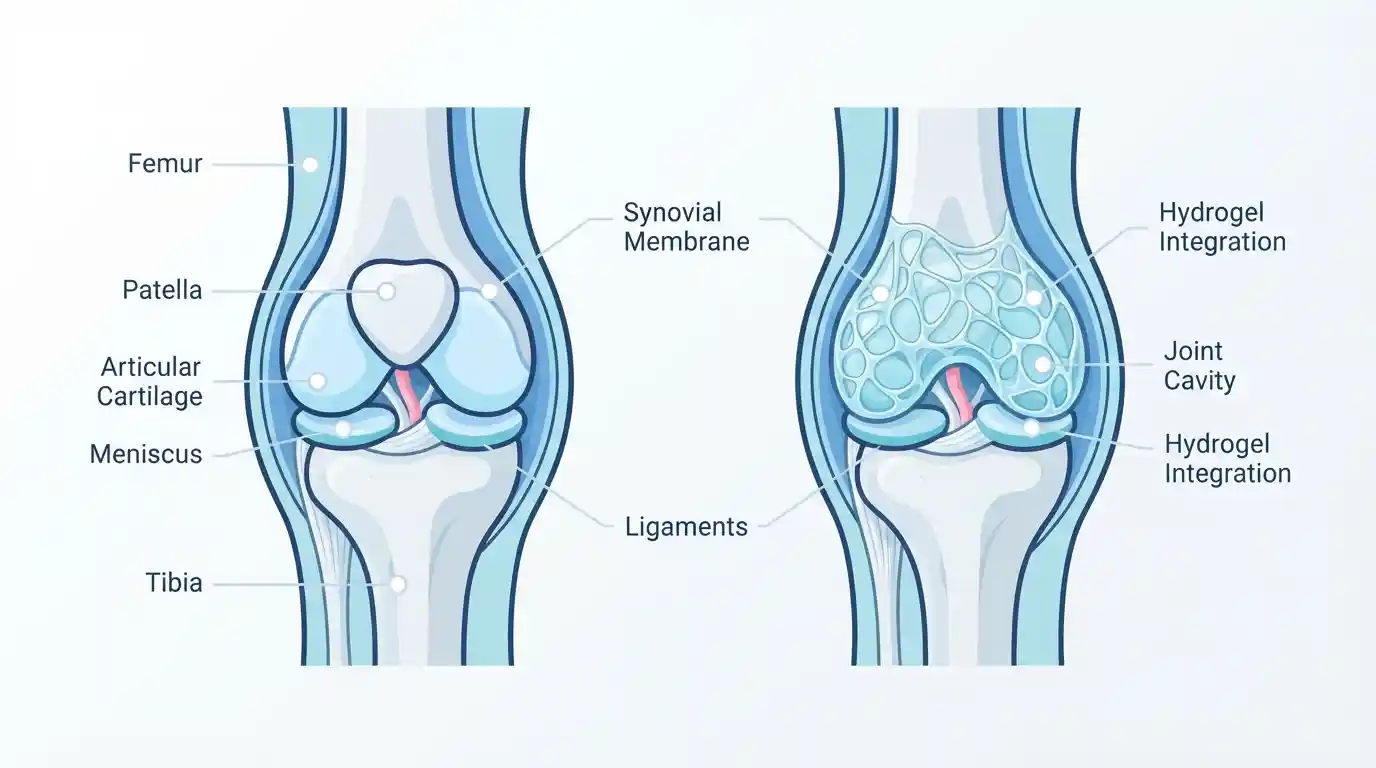
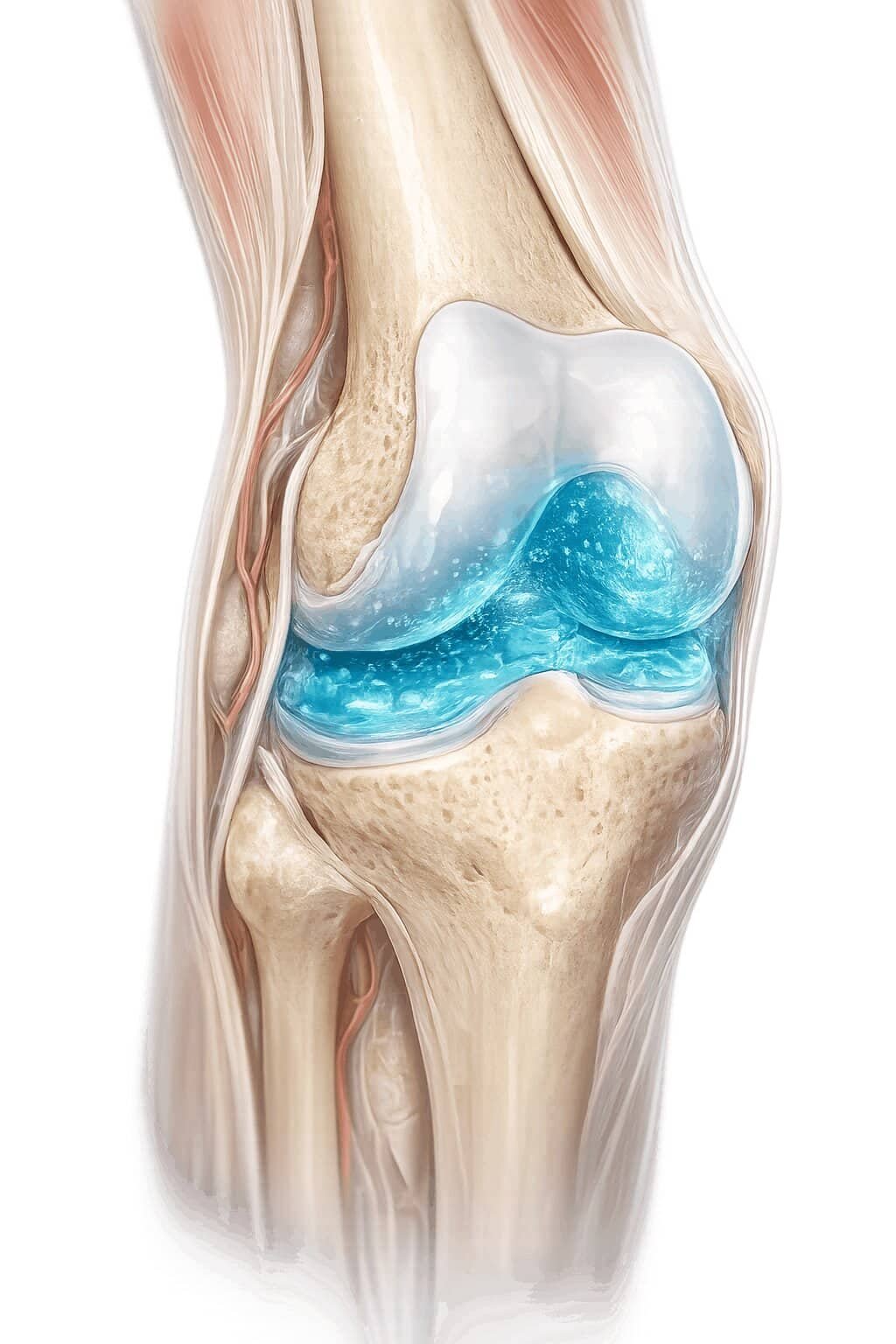
Arthrosamid is a non-biodegradable injectable gel made from 2.5% polyacrylamide and 97.5% water. It works by integrating into the soft tissue lining of the knee joint — the synovium — where it acts as a long-term cushioning and lubricating agent. Unlike hyaluronic acid, which the body gradually breaks down, Arthrosamid is designed to remain stable within the joint.
The treatment involves a single intra-articular injection, carried out under sterile conditions. No surgery ,No general anesthetic, No hospital stay. For patients who want a meaningful reduction in pain without the risks of total knee replacement, this positions Arthrosamid as a compelling option.
The Evidence on Duration: How Long Does It Actually Last?
This is the question patients ask most. And the clinical data gives a clear answer.
The AMPHIBIA Trial
The most significant evidence comes from the AMPHIBIA randomized controlled trial, published in peer-reviewed literature. This study followed patients with mild to moderate knee osteoarthritis over two years following a single Arthrosamid injection.
The results were striking. Patients reported statistically significant reductions in pain and improvements in physical function at 26 weeks, 52 weeks, and 104 weeks — that is, sustained benefit over two full years from a single injection. The KOOS (Knee Injury and Osteoarthritis Outcome Score) showed meaningful improvements across multiple domains, including pain, symptoms, and quality of life.
Crucially, no serious adverse events related to the injection were recorded in the trial. The safety profile was favorable, with local, transient reactions being the only reported side effects in some patients.
Real-World Data Supports the Trials
Beyond controlled trials, real-world registry data from Denmark — where Arthrosamid has been in clinical use longer than anywhere else — echoes the AMPHIBIA findings. Patients treated in routine clinical settings have shown durable responses at two years, with many reporting they returned to activities they had stopped doing because of knee pain.
One registry study followed over 200 patients and found that more than 60% maintained clinically meaningful pain reduction at the two-year mark. This is not a temporary fix. For many patients, it is a genuine long-term solution.
How Does Arthrosamid Compare to Other Injections?
Understanding the longevity of Arthrosamid becomes clearer when placed alongside the alternatives.
Corticosteroid injections — widely used on the NHS for acute knee flare-ups — typically provide relief lasting between six and twelve weeks. The NHS itself notes that repeated steroid injections carry risks including joint deterioration with frequent use.
Hyaluronic acid (Visco supplementation) shows variable results in clinical trials. NICE (the National Institute for Health and Care Excellence) has historically been cautious about recommending hyaluronic acid for knee osteoarthritis due to inconsistent evidence, though some patients do benefit. Arthrosamid, by contrast, is not broken down by the body. Once integrated into the synovial tissue, it remains. The polyacrylamide structure is biologically inert. This is the fundamental reason why the duration of effect is measured in years rather than weeks.
Who Is a Suitable Candidate?
Arthrosamid is indicated for adults with knee osteoarthritis who have not achieved sufficient relief from conservative treatments. It is particularly well-suited for patients who:
- Experience moderate to severe knee pain that limits daily activity
- Have not responded adequately to physiotherapy, weight management, or oral analgesics
- Want to delay or avoid knee replacement surgery
- Are not suitable candidates for, or wish to avoid, surgical intervention
It is not a treatment for end-stage osteoarthritis where structural damage is severe. A thorough clinical assessment — including imaging — is essential before proceeding.
Arthrosamid Injection Cost in the UK
One of the most common searches from patients exploring this treatment is arthrosamid injection cost and arthrosamid injection cost UK. The transparency on pricing matters — patients deserve to understand what they are paying for and why.
Arthrosamid is not available on the NHS. It is a private treatment, and the cost reflects the product itself, the clinical expertise required to administer it correctly, and the facility standards.
In the UK, Arthrosamid injection cost typically ranges from £1,500 to £3,000 per knee, depending on the clinic, the experience of the practitioner, and what the consultation and follow-up package includes. Some London clinics charge towards the higher end of that range due to location and the seniority of the clinician.
When evaluating cost, patients should consider the full value equation: a treatment that delivers two or more years of meaningful pain relief from a single injection compares favorably to the cumulative cost and inconvenience of repeated steroid injections every few months, none of which offer lasting benefit.
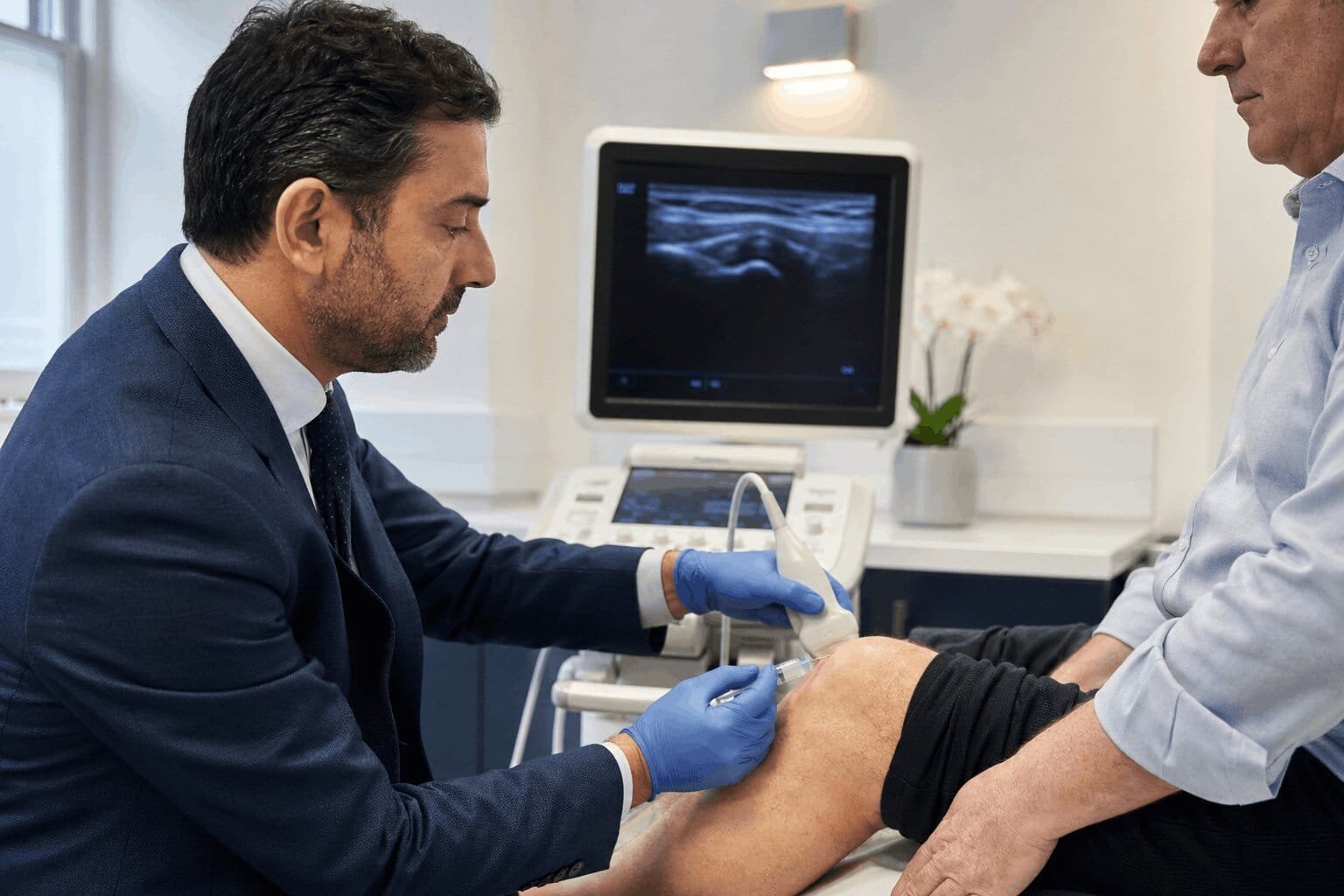
The cost of Arthrosamid in London reflects not just the product but the precision required in its administration. The clinician must place the injection accurately within the joint. Experienced hands use ultrasound guidance to ensure correct placement. This is not a procedure where skill is interchangeable.
Arthrosamid Injection London: What to Look For
If you are searching for Arthrosamid injection near me or Arthrosamid injections near me in London, the quality of the practitioner matters enormously.
Look for a clinician with:
- Formal postgraduate training in musculoskeletal medicine or aesthetic and regenerative medicine
- Demonstrable experience with intra-articular injections
- Ultrasound guidance capability
- A structured follow-up protocol
Dr Syed Nadeem Abbas at DSNA Clinic on Harley Street holds an MSc in Aesthetic Plastic Surgery with Distinction from Queen Mary University London and trained at Cambridge, Oxford, and the Royal London Hospital. His background combines surgical precision with evidence-based non-surgical treatments — a combination that matters when placing a permanent injectable into a joint.
What Happens After the Injection?
Patients often want to know what the recovery timeline looks like. Here is what the evidence and clinical practice show.
In the first one to four weeks, some patients experience mild discomfort or swelling at the injection site. This is a normal tissue response as the gel integrates.
Between six and twelve weeks, most patients begin to notice a meaningful reduction in pain. The AMPHIBIA trial showed that improvements continued to develop over the first six months, meaning the full benefit is not always immediate.
By six months, the majority of patients who respond to the treatment are experiencing their maximum benefit. This benefit then remains stable for the following months and years, as demonstrated by the two-year trial data.
Healthcare providers generally advise patients to avoid high-impact activity for the first few days following the injection and to attend a follow-up assessment to monitor their response.
Is a Second Injection Ever Needed?
The AMPHIBIA trial data extends to two years. Long-term follow-up data beyond that point is still accumulating. In clinical practice, some patients choose a second injection after several years if they feel their symptom control is waning.The non-biodegradable nature of Arthrosamid means that the original gel does not disappear — but osteoarthritis continues to progress naturally, and you may need additional support over time.
There is no clinical barrier to repeat injection in appropriate candidates. The safety data to date does not show cumulative adverse effects from more than one treatment.

A Note on Realistic Expectations
Arthrosamid is not a cure for osteoarthritis. It does not regenerate cartilage. It does not halt the underlying disease process. What it does — and does well, according to the evidence — is significantly reduce pain and improve function for an extended period without surgery.
For many patients, that is transformative. Getting back to walking without pain, sleeping through the night, returning to recreational activity — these are meaningful outcomes that corticosteroids cannot sustain and surgery does not guarantee.
The evidence for Arthrosamid is genuine and growing. A single injection delivering two years of sustained pain relief and functional improvement represents a meaningful advance over the short-acting alternatives currently in widespread use. The two-year data from the AMPHIBIA trial, supported by real-world registry evidence, places Arthrosamid in a distinct category among knee osteoarthritis treatments available in the UK today.
For patients considering this treatment, the combination of durable results, a favourable safety profile, and the absence of surgical risk makes Arthrosamid a serious option worth discussing with a qualified clinician.
The key questions are whether you are a suitable candidate, what outcomes are realistic for your degree of osteoarthritis, and whether the arthrosamid injection cost in the UK fits your circumstances. These are conversations that begin with an honest, evidence-informed consultation.
Read more:
Ultrasound-Guided Arthrosamid: Why Not Every Practitioner Can Do It Properly
Arthrosamid Injection for Knee Osteoarthritis: What Patients Need to Know