
✅ Medically reviewed | Updated July 2026
You have finally booked your Arthrosamid injection. Maybe you researched the Arthrosamid injection Cost for weeks, compared it against steroid shots that wear off in ten weeks, and decided this single treatment was worth the investment. But here’s a question almost nobody asks you at the clinic: what happens on your plate in the days and weeks that follow?
Recovery is not just about resting your knee. It is also about feeding it. The hydrogel injected into your joint needs time to settle into the synovial membrane, and your body needs the right raw materials to manage that process comfortably. Eat the wrong way after treatment, and you may feel more swelling, more sluggishness, and slower comfort gains. Eat the right way, and you support your body’s natural response during those first critical weeks.
This guide covers exactly what to eat, what to limit, and why timing matters — grounded in general nutrition science and the actual recovery process our patients go through at Dr SNA Clinic on Wimpole Street, London.
Why Nutrition Matters After Arthrosamid Injection
Doctors do not treat Arthrosamid as a quick fix. The hydrogel gradually integrates with the synovial tissue lining your knee, a process that unfolds over four to six weeks rather than overnight. During this window, your knee experiences a normal, mild inflammatory response as part of settling in.
Food will not accelerate hydrogel uptake — no meal plan changes the biology of that. But your diet directly influences how your body manages inflammation, swelling, and tissue repair during recovery. Choose foods that support a calm inflammatory response, and you give your knee the best possible internal environment to settle down comfortably.
The First 48 Hours Matter Most
Immediately after your injection, mild swelling or a feeling of fullness in the knee is common and expected. This is not a sign that something has gone wrong.
Doctors recommend prioritising hydration and light, easily digestible meals in this window. Avoid heavy, greasy food that taxes digestion when your body is already focused on healing the injection site. Choose simple, nutrient-dense meals instead of large, rich dinners.
Anti-Inflammatory Foods to Prioritise
Certain food groups consistently support the body’s natural anti-inflammatory processes. Building your recovery meals around these categories gives your knee genuine nutritional support, not just calories.
Fatty Fish and Omega-3 Sources
Salmon, mackerel, and sardines contain omega-3 fatty acids that research links to reduced inflammatory markers in the body. Aim for two to three servings across your recovery week. If you do not eat fish, flaxseed and walnuts offer plant-based omega-3 alternatives.
Colourful Vegetables and Berries
Dark leafy greens, broccoli, and berries are rich in antioxidants that help neutralise oxidative stress in tissue. A colourful plate is not just an Instagram cliché — it genuinely correlates with a broader spread of protective plant compounds. Blueberries, spinach, and bell peppers are easy additions to any meal.
Turmeric and Ginger
Both contain compounds studied for their anti-inflammatory properties. Add turmeric to soups, curries, or scrambled eggs. Fresh ginger works well steeped in hot water or grated into stir-fries. Neither replaces medical advice, but both are simple, low-risk additions to a recovery diet.
Lean Protein for Tissue Support
Chicken, turkey, eggs, tofu, and legumes supply the protein building blocks your body draws on during any healing process. Spread protein intake across the day rather than loading it into one meal, since your body absorbs and uses it more efficiently that way.
Foods and Habits to Limit After Treatment
Just as some foods help, others can work against your recovery. This is not about strict restriction — it is about being deliberate for a few weeks while your knee settles.
Refined Sugar and Processed Snacks
High-sugar foods are linked to increased inflammatory markers in several nutrition studies. Biscuits, sugary drinks, and packaged snacks offer little nutritional value during a period when your body benefits from nutrient density.
Excess Alcohol
Alcohol can interfere with sleep quality and hydration, both of which matter during recovery. Doctors generally advise limiting alcohol in the days immediately following any joint procedure, and it is worth discussing your specific situation with your clinician if you are unsure.
Excessive Sodium
A high-salt diet can contribute to fluid retention, which may make normal post-injection swelling feel more pronounced. Cutting back on processed and takeaway food naturally reduces sodium intake without requiring you to count milligrams.
Hydration: The Overlooked Recovery Factor
Water does more heavy lifting in your recovery than most patients realise. Your synovial fluid, the natural lubricant inside your knee joint, is largely water-based. Staying well hydrated supports the joint environment your Arthrosamid injection is working within.
Aim for six to eight glasses of water daily unless your doctor has advised otherwise for a separate medical reason. Herbal teas count towards this total and offer the added benefit of ingredients like ginger or turmeric mentioned earlier.
Sample Recovery Day: What Eating Well Actually Looks Like
Structure helps more than willpower. Here is a realistic day of eating that supports recovery without requiring a complicated meal plan.
- Breakfast: Porridge with berries and a spoon of ground flaxseed
- Lunch: Grilled salmon, mixed leafy greens, and a wholegrain side
- Snack: A handful of walnuts and an apple
- Dinner: Turmeric-spiced chicken stir-fry with broccoli and peppers
- Throughout the day: Water, herbal tea, and minimal added sugar
You do not need to follow this exactly. The goal is the pattern, not perfection — more whole foods, more colour, more hydration, less processed sugar and salt.
How Nutrition Fits Into Your Wider Recovery Plan
Food is one part of a bigger picture. Doctors also generally advise limiting strenuous activity in the first few days, following any specific guidance given at your appointment, and attending your scheduled follow-up. Nutrition works alongside these steps rather than replacing any of them.
Patients often ask whether diet changes their Arthrosamid injection cost UK value proposition. It does, in a practical sense: supporting your body well during recovery is a low-cost way to get the most out of a treatment that is designed to last years, not weeks.
Understanding Arthrosamid Injection Cost
Since cost is often the first question patients research, it is worth being transparent about it here. At Dr SNA Clinic, Arthrosamid injection for a single knee is priced from £2,800, with a reduced rate of £5,300 for both knees when clinically appropriate following assessment. A £100 consultation fee applies and is redeemable against treatment cost if you proceed. 0% finance is available for patients who want to spread the cost. Prices are correct at the time of writing and are always confirmed directly at consultation before any decision is made.
Compare this to the ongoing cost of repeated steroid injections, which typically last only two to ten weeks each, and the value picture changes. A single Arthrosamid injection is designed to support the knee for years, not weeks, which changes how many patients weigh the arthrosamid injection cost against a decade of repeat treatments.
Finding an Arthrosamid Injection Near Me in London
If you are searching for arthrosamid injection near me, Dr SNA Clinic is based at 48 Wimpole Street, Marylebone, London W1G 8SF, and every Arthrosamid injection is performed personally by Mr. Syed Nadeem Abbas, MBBS, MRCSEd, MSc (Distinction). He does not delegate this treatment to other staff. Mr Abbas built his surgical foundation over six years in Trauma and Orthopaedics at major NHS hospitals including Cambridge and Oxford and holds specialist Arthrosamid certification from the American Cellular Medical Association, making him one of a small number of UK-based clinicians formally trained in this specific procedure.
The clinic is CQC-regulated, and Mr. Abbas is GMC-registered. Appointments run Monday to Sunday, 10:00 to 18:00 UK time. You can reach the clinic directly on +44 7955 836986, or by email at info@drsnaclinic.com.
How Arthrosamid Works Inside the Knee
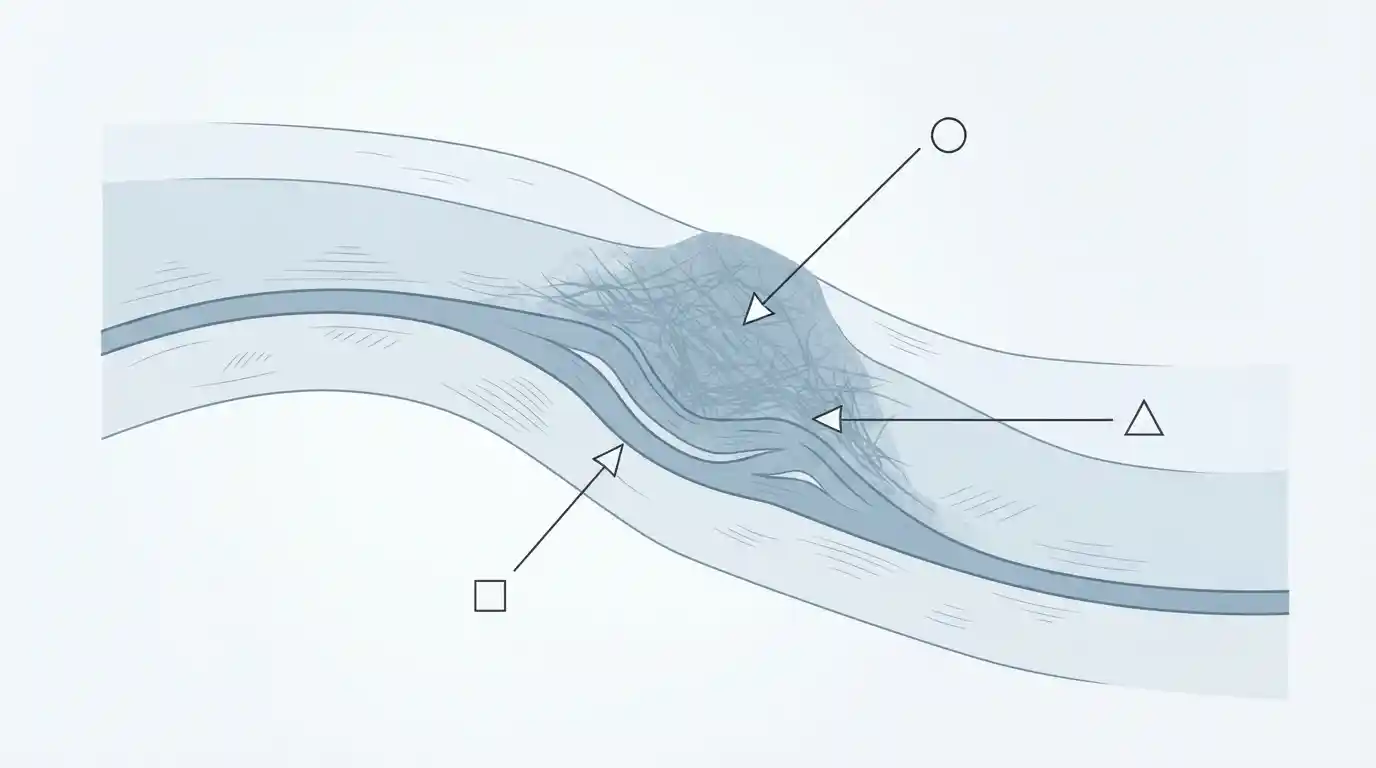
Understanding the mechanism helps explain why nutrition timing matters during those first six weeks. Doctors inject the hydrogel directly into the synovial cavity under ultrasound guidance for accuracy. Once inside, the hydrogel disperses within the synovial fluid and is gradually taken up into the synovial membrane through the joint’s natural filtering process. Published materials describe this integration as largely complete within four to six weeks, which lines up closely with the period this guide focuses on.
As the hydrogel integrates with the synovial tissue, official materials describe increased tissue elasticity and resilience, which may contribute to symptom relief over time. Because Arthrosamid is non-biodegradable, published follow-up studies report sustained improvements in pain and function for up to five years after a single injection in study participants, though individual outcomes vary.
The Science Behind Arthrosamid Injection
Arthrosamid is a non-biodegradable hydrogel made of 97.5% water and 2.5% cross-linked polyacrylamide. This composition is precisely why hydration plays such a direct role in your recovery diet — the treatment itself is water-based, and the environment it integrates into benefits from a well-hydrated body.
A published randomised controlled trial compared Arthrosamid with hyaluronic acid in patients with knee osteoarthritis, finding Arthrosamid non-inferior over twelve months, with clinically meaningful improvements in pain and function reported in the Arthrosamid group. A 2025 five-year follow-up study reported sustained improvements in pain, stiffness, and function through to five years in study participants. As with any published research, individual outcomes vary and results depend on suitability confirmed through personal clinical assessment.
What Arthrosamid Injection Treats
Arthrosamid is used for the symptomatic treatment of knee osteoarthritis in suitable adult patients. It is not a cure and does not reverse existing joint damage. For suitable patients, it may help reduce persistent knee pain, ease morning stiffness, improve range of movement, and reduce the anxiety that comes with anticipating pain during everyday activity. Recovery nutrition, including everything covered in this guide, supports your body’s response during the weeks the hydrogel needs to settle, but it does not replace the clinical assessment needed to confirm whether Arthrosamid is right for your knee.
Why Choose Arthrosamid Injection
Patients weighing their options often compare Arthrosamid against repeated steroid injections, hyaluronic acid, or moving straight to surgery. Arthrosamid sits in the middle ground: a single, non-surgical, outpatient procedure with published follow-up data showing benefits lasting up to five years, compared with steroid injections that typically last only weeks and require repeating. For patients who have already tried physiotherapy or pain relief without sufficient benefit, and who want to explore a non-surgical route before considering more invasive procedures, Arthrosamid is a treatment worth discussing at consultation.
Watch: How Arthrosamid Works, Explained by Dr Abbas
For patients who prefer a visual explanation, Dr SNA Clinic’s YouTube channel includes a video series with Mr. Abbas walking through how Arthrosamid works step by step. You can find “Part 7: How Arthrosamid Works?” and the full playlist on the Dr SNA Clinic YouTube channel.
Frequently Asked Questions
Can I eat normally the day of my Arthrosamid injection?
Yes, though doctors generally advise a light meal rather than a heavy one immediately before or after your appointment, simply for comfort.
Do I need to take supplements after Arthrosamid?
There is no specific supplement requirement for Arthrosamid recovery. Focus on whole foods first, and discuss any supplement questions directly with your clinician at consultation.
How long should I follow these dietary guidelines?
Most of the anti-inflammatory focus matters most in the first four to six weeks, which aligns with the hydrogel integration period, though eating well long-term supports general joint health regardless.
Will diet alone determine how well Arthrosamid works?
No. Nutrition supports your body’s environment during recovery, but the treatment’s effectiveness depends primarily on correct patient selection, accurate ultrasound-guided placement, and your individual response, all of which are assessed at consultation.
Is alcohol completely off-limits after treatment?
Not necessarily off-limits, but doctors generally advise limiting it in the days immediately following the procedure. Ask your clinician for guidance specific to your situation.
Final Thought
Recovery is not something that only happens in the clinic — it continues every time you sit down to eat. The Arthrosamid injection does the clinical work of integrating with your synovial tissue, but the food choices you make in the weeks that follow shape the environment that process unfolds within. Small, consistent choices — more color on your plate, more water in your glass, less processed sugar — add up to meaningful support for your knee during a recovery window that ultimately aims to last for years.
If you are ready to discuss whether Arthrosamid is right for your knee, book a consultation with Dr SNA Clinic on Wimpole Street, London, and get a clear, honest assessment from Mr. Abbas himself.
Related Reading From Dr SNA Clinic
- Arthrosamid Injection — Full Clinical Overview and Pricing
- Synovial Fluid: What It Is, Function and Why It Matters
- Can a Swollen Knee Be Dangerous?
- Knee Swelling and Pain Without Injury — Causes and Treatment
- Rheumatoid Arthritis: Symptoms, Causes and Treatment UK
- Joint Pain Treatment: Every Option Explained Honestly
- What Not to Do With Knee Arthritis
- Knee Pain Relief UK: Every Option Explained Honestly
Mr Syed Nadeem Abbas, MBBS, MRCSEd, MSc Aesthetic Plastic Surgery (Distinction) Medical Director, Dr SNA Clinic 48 Wimpole Street, Marylebone, London W1G 8SF GMC Registered | CQC Regulated | Monday to Saturday 10:00–18:00 +44 7955 836986 | info@drsnaclinic.com