
✅ Medically reviewed | Updated July 2026
Knee pain changes how you move through life long before it changes how you look. You stop taking the stairs two at a time. You avoid the walk to the shops. You sit down at family gatherings while everyone else stands around the garden. If you’ve just had, or are considering, an Arthrosamid injection, you’re probably not just asking “will it work” — you’re asking “what do I do now?” Exercise timing matters just as much as the injection itself. Getting it wrong can slow your progress or worsen swelling. This guide walks you through exactly what to do, week by week, based on how Arthrosamid actually behaves inside the joint — not generic advice copied from a general knee-injection checklist.
Most guides online stop at “rest, then exercise gently.” They don’t explain why the timeline matters. They skip the biology behind recovery. They leave out the practical details people actually search for — like what happens if you push too hard in week two, or how UK patients can find a reputable clinic. This article fills those gaps. We’ll cover the exercise timeline in detail, explain how Arthrosamid works inside your knee, look at the science behind the treatment, walk through cost in the UK, and answer the questions patients ask most.
How Arthrosamid Works
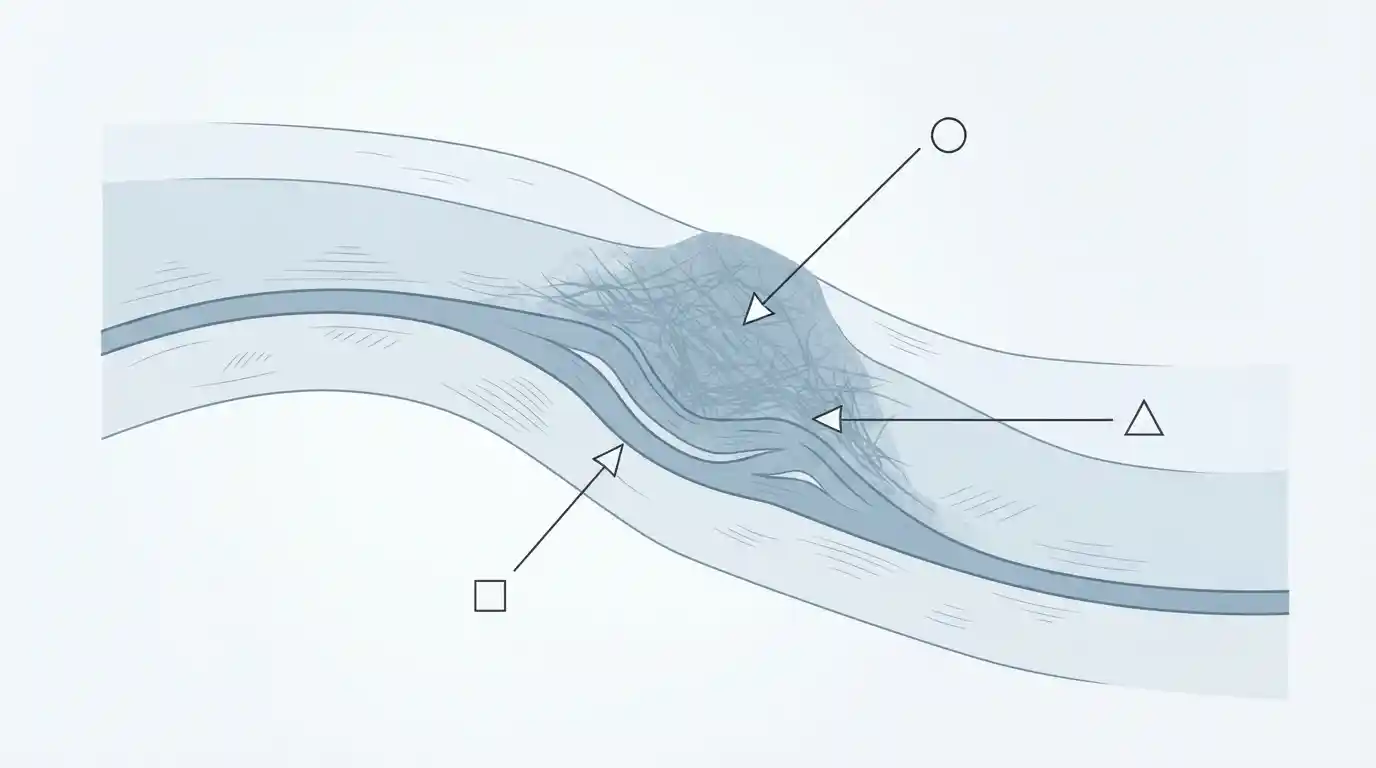
Understanding your exercise plan starts with understanding the injection itself. Arthrosamid is a non-biodegradable hydrogel made of 97.5% water and 2.5% cross-linked polyacrylamide. Doctors inject it directly into the knee joint under ultrasound guidance. Steroid and hyaluronic acid injections break down in the body over weeks or months. Arthrosamid works differently: it integrates with the synovial tissue lining the knee rather than simply coating or lubricating it temporarily.
This distinction changes everything about how you should exercise afterward. The synovial membrane gradually takes up the hydrogel through the joint’s natural filtering process. Official Arthrosamid materials describe this integration as largely complete within four to six weeks. Your knee needs time and the right kind of movement to support that process — not aggressive loading that could disrupt it.
Why the First Few Weeks Matter Most
As the hydrogel integrates with the synovial tissue, official Arthrosamid materials describe increased tissue elasticity and resilience. This may contribute to symptom relief and improved movement over time. Rushing this window with heavy activity works against the process your knee is trying to complete.
The Science Behind Arthrosamid Injection
The science matters here because it explains why patience pays off. After injection, the hydrogel disperses within the synovial fluid. The synovial membrane then gradually takes it up through the joint’s natural filtering process. This isn’t an instant fix. It’s a biological process that unfolds over weeks.
Clinical data backs this up. A published randomised controlled trial compared Arthrosamid with hyaluronic acid in patients with knee osteoarthritis. The trial found Arthrosamid was non-inferior over 12 months after a single injection, with clinically meaningful improvements in pain and function in the Arthrosamid group. Longer-term data supports this too. A 2025 publication reporting five-year follow-up data from a prospective open-label study found sustained improvements in WOMAC pain, stiffness, function, and patient global assessment through to five years in study participants.
Why This Changes Your Exercise Plan
The treatment relies on gradual tissue integration rather than an instant mechanical fix. That’s why doctors design exercise progression around the same four-to-six-week window. Pushing too hard early doesn’t speed up results — it risks swelling and discomfort that can distract from genuine progress.
What Arthrosamid Injection Treats
Arthrosamid treats the symptoms of knee osteoarthritis. It does not cure arthritis, and it does not reverse joint damage. For suitable patients, it may ease several specific problems that shape how much and what kind of exercise makes sense at each stage:
- Persistent knee pain — a deep aching sensation inside or around the knee that worsens with activity or after prolonged sitting
- Morning stiffness — stiffness in the knee on waking or after periods of inactivity, which NHS guidance notes is a common osteoarthritis symptom
- Reduced mobility — difficulty bending, straightening, or fully extending the knee, including trouble with stairs or walking for extended periods
- Swelling around the knee — mild to moderate swelling that can occur with osteoarthritis and contribute to discomfort
- Reduced confidence in movement — the anticipation of pain changes how people walk and approach daily tasks
Knowing which symptom troubles you most helps you and your clinician judge how quickly to progress your exercise plan.
Your Week-by-Week Exercise Plan
This is the section most patients search for — and the one competitor pages tend to gloss over. Below is a realistic, cautious progression based on how the recovery timeline actually unfolds.
Week 1 to 2: The Settling Period
Your knee is settling after the injection during this period. Some discomfort or swelling is normal, and most patients notice no significant change in symptoms at this stage. Doctors advise against strenuous activity during this window.
Stick to:
- Gentle ankle pumps while seated or lying down
- Short, slow walks around the house or garden
- Seated knee extensions with no added resistance
- Elevating the leg when resting to help manage swelling
Avoid deep squatting, kneeling, running, or any high-impact movement entirely at this stage. Contact your clinic directly, rather than waiting, if you notice significant worsening of pain or signs of infection such as increasing redness, warmth, or fever.
Week 3 to 4: Early Changes Begin
The hydrogel integration process is progressing during this stage. Some patients begin to notice early changes in comfort or stiffness, though this varies considerably between individuals. This is a good time to introduce slightly more structured movement, always within a comfortable range.
Consider:
- Stationary cycling with little to no resistance
- Pool walking, which reduces joint load significantly
- Quad sets (tightening the thigh muscle without moving the knee)
- Straight leg raises, performed slowly and without weights
Physiotherapy often becomes valuable here. Clinics may recommend it to support recovery and help maximise the benefit of treatment, rather than leaving patients to guess at their own pace.
Week 5 to 8: Entering the Main Improvement Period
Official Arthrosamid materials describe the integration process as largely complete within four to six weeks. Many patients report the most noticeable improvements in pain, stiffness, and mobility during this period. This is typically when your follow-up review happens, so it’s a natural point to reassess your exercise intensity with your clinician’s input.
Appropriate exercises now include:
- Mini squats with a chair for support
- Low step-ups on a small step
- Resistance band leg presses at light tension
- Balance work, such as standing on one leg near a wall for support
You should still avoid strenuous exercise and high-impact activity until your doctor advises otherwise. Progress gradually rather than jumping straight to your pre-injury activity level.
Week 9 to 12 and Beyond: Building Back Up
By this stage, many patients feel confident increasing both duration and resistance. Reasonable additions include:
- Longer walks on varied, gentle terrain
- Swimming, including light kicking drills
- Moderate-resistance stationary cycling
- Supervised strength training such as leg presses and controlled lunges
12 Months and Beyond: Sustained Results
Published follow-up studies have reported sustained improvements in pain and function for up to five years after a single injection in study participants, although individual outcomes vary. An annual review helps track how your knee is responding over time and whether your activity level needs adjusting as you go.
Signs You’re Progressing Too Fast
Patients often push exercise progression out of excitement or impatience. Watch for increased swelling that doesn’t settle with rest, sharp pain rather than mild soreness, or new stiffness that lasts more than a day after activity. Any of these signals mean you should scale back. Contact your clinic if concerns persist rather than pushing through.
How Arthrosamid Compares to Other Knee Injections
Exercise tolerance also depends on which treatment you’ve had, since each works differently. Steroid injections reduce inflammation temporarily and are biodegradable, with effects lasting around 2 to 10 weeks per NICE guidance. Hyaluronic acid supplements joint lubrication and viscoelasticity, but the body breaks it down over months, and NICE advises against offering it for osteoarthritis management. Arthrosamid stands apart because it integrates with synovial tissue as a non-biodegradable hydrogel, with study follow-up data extending up to five years from a single injection.
This durability is part of why the exercise timeline matters so much. You’re not repeating injections every few months, so getting the recovery phase right the first time counts.
Why Choose Arthrosamid Injection
Patients weighing their options often ask why Arthrosamid stands out. A few reasons come up consistently in the clinical literature:
- Single injection — one treatment rather than a course of repeated appointments
- No general anaesthetic — the outpatient procedure uses local anaesthetic only
- Same-day discharge — most patients return home the same day without an overnight stay
- Long-term data — published clinical studies have reported sustained improvements for up to five years
That said, not all patients respond to Arthrosamid, and a meaningful improvement is never guaranteed. A proper clinical assessment always comes before any promises are made.
Arthrosamid Injection Cost UK
Cost is often the deciding factor for UK patients comparing clinics. At Dr SNA Clinic in London, pricing is published openly:
- Single knee: £2,800 (was £3,200)
- Both knees: £5,300 (was £6,400)
- Consultation fee: £100, redeemable against treatment cost if you proceed
Every treatment package includes a comprehensive consultation, the ultrasound-guided injection itself, and follow-up assessment. Patients who want to spread the cost can apply for 0% finance, and there’s no obligation to proceed after your initial consultation.
Prices for Arthrosamid injection cost in the UK vary by clinic and by whether one or both knees need treatment, so always confirm current pricing directly before booking.
Finding Arthrosamid Injection Near Me
If you’re searching for Arthrosamid injection near me in London or further afield, Dr Syed Nadeem Abbas at Dr SNA Clinic performs every procedure personally. He holds MBBS and MRCSEd qualifications, brings over six years of NHS Trauma and Orthopaedics experience from hospitals including Cambridge and Oxford, and completed specialist Arthrosamid training through the American Cellular Medical Association.
The clinic operates from 48 Wimpole Street, Marylebone, London W1G 8SF, and opens 10:00 to 18:00 UK. The Care Quality Commission regulates the clinic. Patients can reach the clinic by phone at +44 7955 836986 or +44 20 3846 7111, or by emailing info@drsnaclinic.com. Dr Abbas does not delegate the injection to other staff — he manages the assessment, the procedure, and the follow-up himself.
Aftercare Support Beyond Exercise
Exercise is only part of recovery. Mild discomfort, swelling, or a feeling of fullness in the treated knee is normal in the first few days and doesn’t mean the treatment has failed. Your clinic should also give you specific written aftercare guidance covering activity limits, warning signs, and when your follow-up review is scheduled.
Some patients explore complementary regenerative options alongside Arthrosamid. Clinicians sometimes discuss PRP therapy for extra joint support, and they may combine shockwave therapy for enhanced outcomes in suitable patients. You should discuss any combination approach at consultation rather than trying it on your own.
For a visual explanation of how the treatment works, watch Dr SNA Clinic’s detailed video breakdown on their Dr SNA Clinic YouTube channel, which covers everything from what knee osteoarthritis is to how Arthrosamid integrates with joint tissue.
Frequently Asked Questions
How soon can I start exercising after an Arthrosamid injection?
You can typically begin gentle movement like ankle pumps and short walks within the first few days, but structured exercise should wait until swelling settles, usually by week two or three.
When will I feel the full benefit of Arthrosamid?
The injection takes 4 to 6 weeks, and sometimes up to 3 months, to have a clinical effect, since this is a physical and biological integration process rather than an instant one.
Can I do both knees at once?
Doctors may consider both knees for suitable patients with symptoms affecting both sides, following proper assessment and imaging review.
Is the injection itself painful?
The procedure uses local anaesthetic, and most patients describe the discomfort as low to moderate.
What if my knee still hurts after eight weeks?
Report this at your scheduled follow-up review. Outcomes vary between patients, and your clinician can reassess your progress and exercise plan accordingly.
Can I combine Arthrosamid with physiotherapy?
Yes — clinics often recommend physiotherapy to support recovery and help maximise the treatment’s benefit.
Final Thought
Recovery from an Arthrosamid injection isn’t about rushing back to your old routine — it’s about respecting a biological process that takes weeks to complete properly. Patience in the first month sets up the results that can last for years. Follow a gradual, week-by-week approach, stay in close contact with your clinician, and let the science do what it’s designed to do.
Related Reading From Dr SNA Clinic
- Arthrosamid Injection — Full Clinical Overview and Pricing
- Synovial Fluid: What It Is, Function and Why It Matters
- Can a Swollen Knee Be Dangerous?
- Knee Swelling and Pain Without Injury — Causes and Treatment
- Rheumatoid Arthritis: Symptoms, Causes and Treatment UK
- Joint Pain Treatment: Every Option Explained Honestly
- What Not to Do With Knee Arthritis
- Knee Pain Relief UK: Every Option Explained Honestly
Mr Syed Nadeem Abbas, MBBS, MRCSEd, MSc Aesthetic Plastic Surgery (Distinction) Medical Director, Dr SNA Clinic 48 Wimpole Street, Marylebone, London W1G 8SF GMC Registered | CQC Regulated | Monday to Saturday 10:00–18:00 +44 7955 836986 | info@drsnaclinic.com