Something significant is shifting in men’s intimate health across the UK. More men than ever are moving beyond the familiar blue pill and actively researching regenerative alternatives. Late at night, they read clinical studies. Across London clinic websites, they compare priapus shot price listings. In online forums, they scan P shot before and after accounts, trying to work out who to trust and what actually delivers real results.
The P-shot — formally known as the Priapus Shot — has moved from obscure medical curiosity to one of the most searched regenerative options for male sexual health in the UK. The science behind it is genuinely compelling. A 2021 randomised, double-blind, placebo-controlled trial published in the Journal of Sexual Medicine found clinically significant improvements in erectile function scores at six months following PRP injections. That is real evidence, not marketing copy.
However, one conversation does not happen loudly enough: what goes wrong, and how should a competent clinic respond?
Men searching for P shot London providers often focus heavily on the benefits — better erections, improved sensitivity, meaningful penile injection growth — and skip the harder questions about complications and clinical standards. Therefore, this article covers what can realistically go wrong, how a credible clinic handles complications, and what to look for when choosing where to have a pshot in the UK.
What the P-Shot Involves — A Clear Clinical Overview
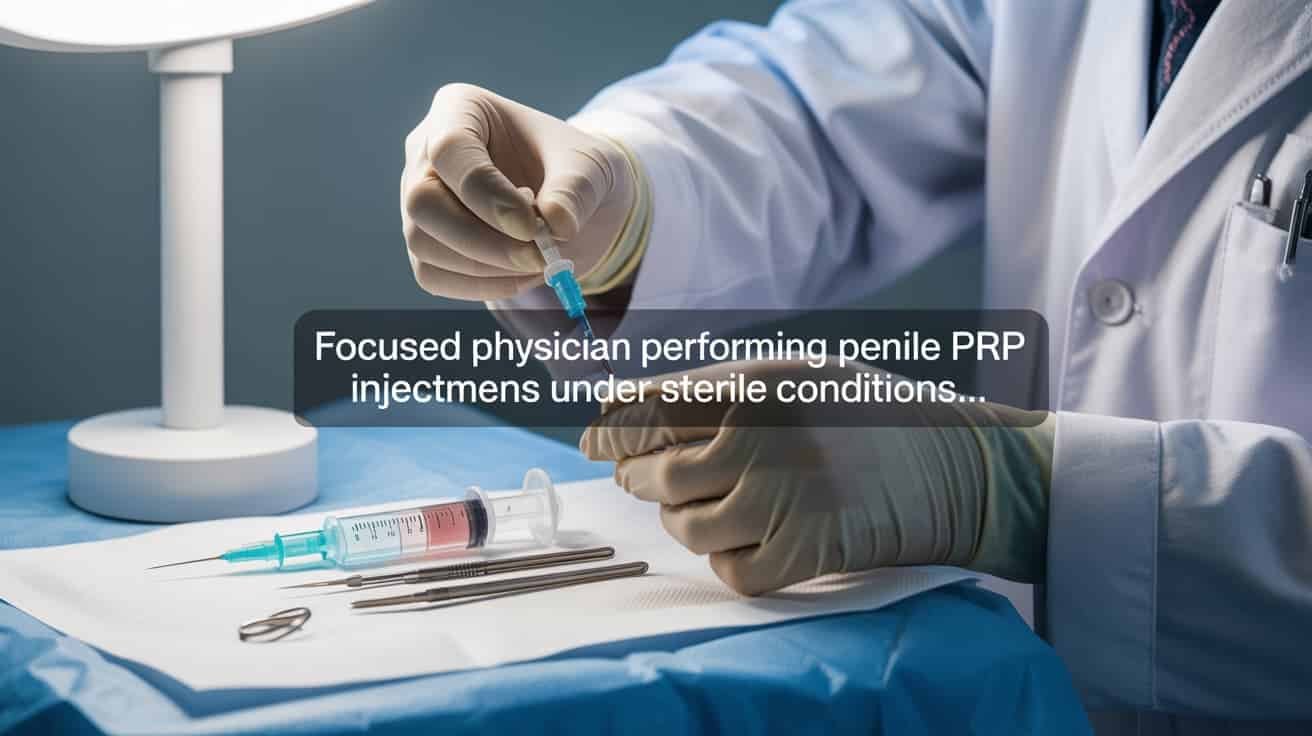
Before exploring complications, understanding the procedure itself matters. The p-shot uses your own blood — no synthetic substances, no foreign agents involved. A physician draws a small sample from your arm and runs it through a medical-grade centrifuge. This process concentrates the platelet-rich plasma and loads it with growth factors including PDGF, VEGF, TGF, EGF, and FGF.
Using ultra-fine needles, the physician then injects that concentrated plasma into targeted areas of the penis. Those growth factors stimulate angiogenesis (new blood vessel formation), collagen and elastin production, and neurogenesis (nerve fibre renewal). In suitable patients, this drives improved blood flow, stronger tissue structure, and enhanced sensitivity.
The full appointment runs between 30 and 45 minutes. Most men walk out and return to normal activity the same day. Clinicians advise avoiding sexual activity for four to five days to let the treated tissue settle properly.
Why the Clinic and Practitioner Define the Outcome
No surgery occurs during the priapus shot. No synthetic drug enters the body at any stage. However, the quality of the outcome depends almost entirely on the practitioner’s skill, the PRP processing protocol, and the clinical environment in which it takes place. This explains precisely why complications tend to cluster around poorly regulated settings — not around the procedure itself.
Common Side Effects — What Patients Should Expect
Even the best-run clinics see mild post-treatment effects. These are entirely normal and reflect the body’s expected response to injection and PRP stimulation — not clinical failure.
Mild swelling around the treatment area is the most commonly reported effect following a penis shot procedure. Within 24 to 72 hours, it clears in the vast majority of cases. Localised tenderness around injection sites is also frequently noticed by patients. Meanwhile, occasional bruising can appear — particularly in men with fragile skin or those taking supplements that affect clotting.
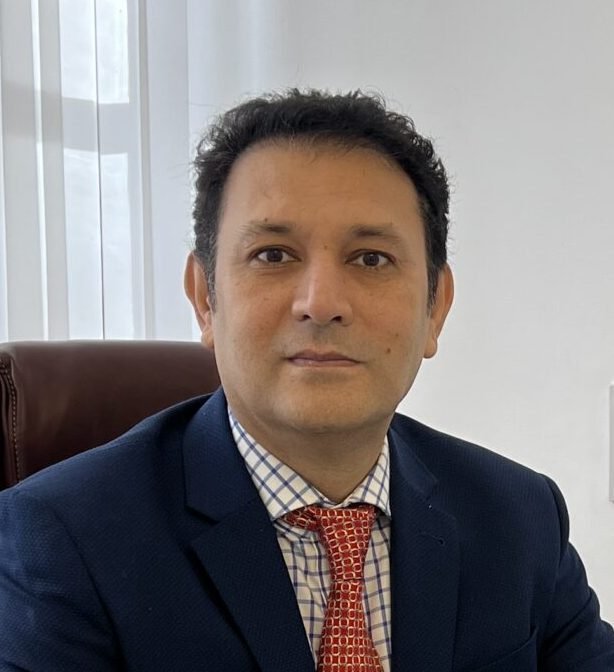
Temporary and self-resolving, these effects do not indicate that anything has gone wrong. However, a responsible clinic covers all of them clearly before the session begins — not after. At Dr SNA Clinic, Dr Syed Nadeem Abbas walks every patient through known risks at consultation, before anyone commits to anything.
Serious Complications — Recognizing When Something Has Gone Wrong
More significant complications are rare when a qualified physician performs the priapus shot inside a regulated setting. Nevertheless, in unregulated environments, they do occur. Recognising these warning signs matters enormously.
Infection from Inadequate Sterile Protocol
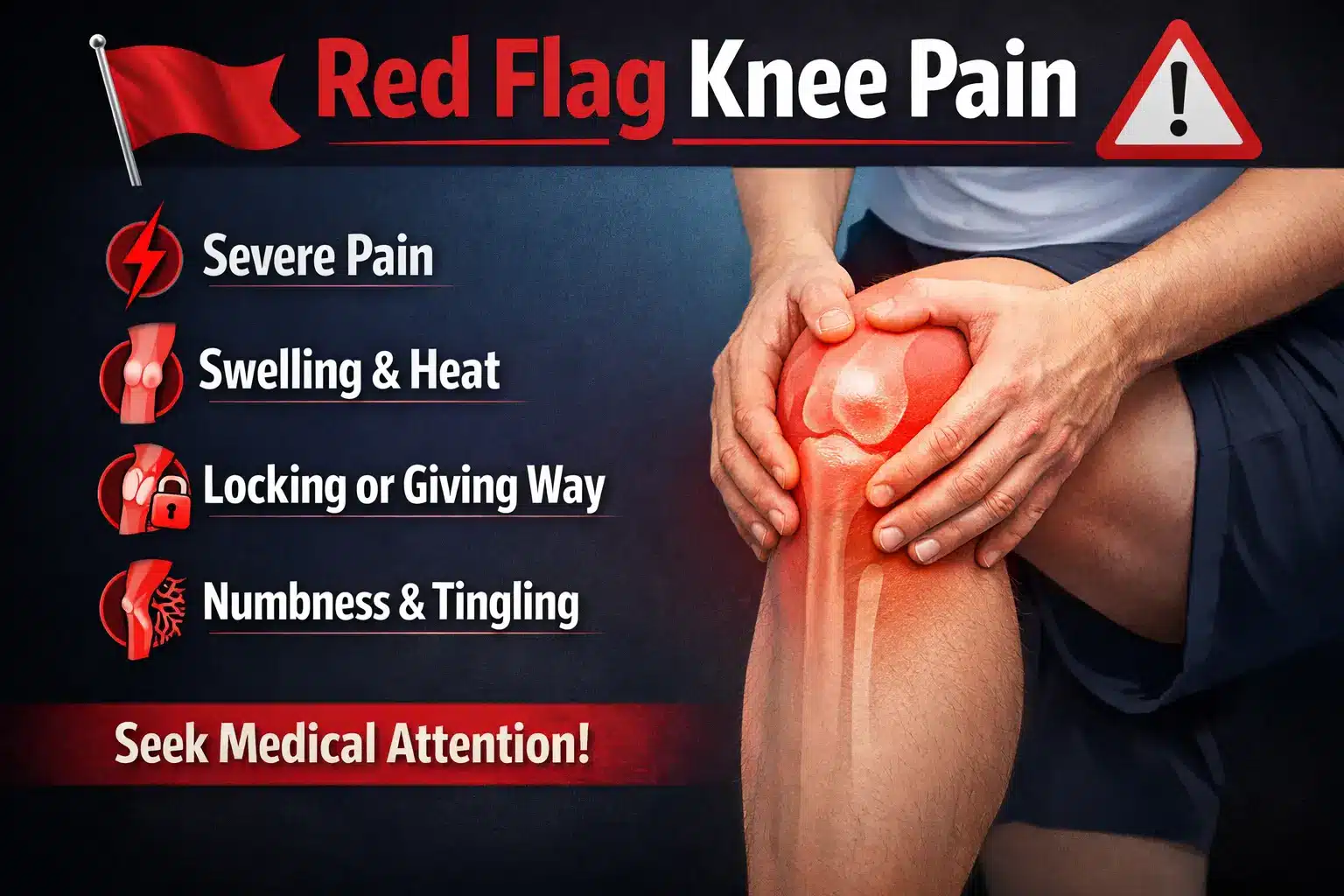
The treatment area is highly vascular and sensitive to contamination. When a clinic cuts corners on sterile protocols — reusing equipment, skipping proper room preparation, or failing to use single-use needles — infection risk climbs sharply. Patients should watch for persistent redness, heat, discharge, or fever developing after their appointment. Any of these symptoms demand immediate medical attention without delay.
Haematoma from Imprecise Injection Placement
Deeper bruising or blood pooling beneath the skin can result from imprecise injection technique. Moreover, patients carrying unidentified clotting conditions face significantly higher risk when clinics skip pre-treatment medical screening. Therefore, a thorough medical review before any P injection is a clinical requirement — not an optional formality.
Allergic Reaction to Local Anaesthetic
Topical numbing cream or a penile nerve block is standard practice before the procedure. However, patients with a known allergy to local anaesthetics must declare this at consultation. Early disclosure is essential because alternative comfort options may not always be available at every clinic.
Poor Results Caused by Weak PRP Quality
Not every clinic processes blood the same way. A single-spin centrifuge method produces a noticeably lower platelet concentration than a dual-spin protocol. Weaker PRP means fewer active growth factors reaching the tissue — and directly weaker outcomes for the patient. Some men report minimal improvement after a priapus shot and assume the treatment does not work. In many of those cases, underpowered PRP was the real problem, not the science behind penile injection growth therapy.
The Most Preventable Complication: Accepting the Wrong Patient
Arguably the most avoidable problem in P shot treatment is proceeding with a patient who was never a suitable candidate. Men with primarily psychological erectile dysfunction, or those whose ED stems from an unaddressed hormonal or vascular condition, may not respond as hoped. Identifying this at consultation — and declining to proceed where appropriate — separates credible clinics from careless ones.
Who Does Not Qualify for the Procedure
Certain patients should not receive the priapus shot regardless of how motivated they are to proceed. Anyone with an active genital infection, a bleeding disorder or platelet dysfunction, ongoing anticoagulant therapy without medical clearance, active cancer treatment in the pelvic region, or a known allergy to local anaesthetics falls outside the criteria for safe treatment.
At Dr Abbas’s clinic on Wimpole Street, every patient completes a thorough medical review before Dr Abbas makes any recommendation. If the p-shot does not suit the patient’s situation, he communicates this directly — with no pressure and no upselling whatsoever.
How a Responsible Clinic Handles Complications
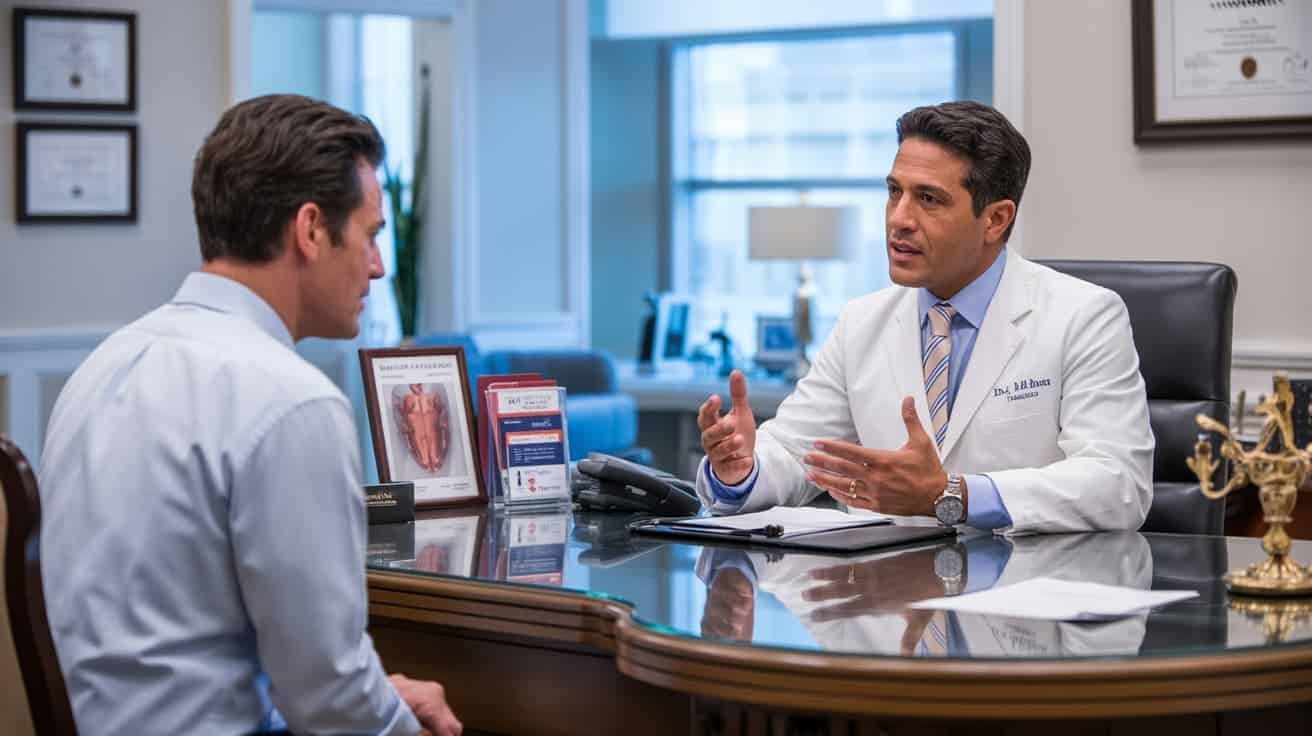
A clinic’s response to complications reveals far more about its standards than any marketing page ever could. Here is what responsible clinical practice genuinely looks like.
Thorough Pre-Treatment Screening
Screening every patient before P shot treatment is the single most effective way to prevent complications from arising. The treating physician should review full medical history, current medications, and overall health status before proceeding. Catching contraindications early — before they become problems inside the treatment room — is the mark of a clinically rigorous practice.
Personalised Aftercare Guidance
Every patient deserves specific, personalised aftercare guidance — not a generic leaflet handed over at the door. At Dr SNA Clinic London, Dr Abbas personally reviews aftercare with each patient immediately after every injection session. Where clinically appropriate, he also provides a medical-grade vacuum device for home use during the early healing phase, actively supporting blood flow to the treated area.
Structured Follow-Up That Is Genuinely Included
Two follow-up consultations — at six weeks and twelve weeks — come included with every treatment at Dr SNA Clinic. These appointments allow Dr Abbas to monitor progress, catch concerns early, and adjust the treatment protocol where necessary. Any clinic that offers no post-treatment follow-up is simply not meeting an acceptable standard of care.
Honest Communication When Results Disappoint
When a patient does not respond as expected, a qualified clinic communicates this clearly and constructively. That response might mean recommending a second session, introducing complementary low-intensity shockwave therapy, or — where the patient was not well-suited to begin with — admitting that fact honestly. Transparency, not upselling, is the only correct clinical response.
What to Check Before Booking a P Shot UK Provider
Choosing where to have this procedure requires more than browsing a clinic website for a few minutes. For anyone comparing P shot UK options, these direct questions are worth asking before committing to any appointment.
Does the Care Quality Commission regulate the clinic? Does a GMC-registered physician perform the procedure personally — or does the clinic delegate it to a nurse or aesthetician? Is a dual-spin centrifuge protocol used for PRP processing? Do post-treatment follow-up appointments come included in the package? Furthermore, does the clinic confirm all costs in full before any decision is made?
How Dr SNA Clinic Answers Every One of Those Questions
At Dr SNA Clinic, every question above carries a clear, verifiable answer. The clinic holds full CQC regulation. Dr Syed Nadeem Abbas carries GMC registration and holds specialist P-Shot certification from the American Cellular Medical Association — placing him among a small number of UK-based physicians with formal certification in this specific procedure. Every priapus shot london appointment runs from blood draw to final injection under his direct, personal supervision. Nothing is delegated to junior staff.
Running a dual-spin centrifuge protocol as standard, the clinic produces significantly higher platelet concentration than single-spin alternatives. Six and twelve-week follow-up appointments come included in every treatment package. Furthermore, the clinic confirms all pricing upfront — before anyone makes a commitment.
Clinic Details, Pricing, and Booking Information
The Standard P-Shot starts from £1,250. Combining the priapus shot with low-intensity shockwave therapy in a single appointment, the Enhanced P-Shot starts from £1,350. Both packages include consultation credit and two follow-up appointments. For context on male enlargement injections cost uk comparisons, penile implant surgery typically costs between £8,000 and £15,000 and demands four to six weeks of surgical recovery time.
Situated at 48 Wimpole Street, Marylebone, London W1G 8SF, Dr SNA Clinic runs Monday to Friday, 10:00 to 18:00 UK time. Online booking is available at drsnaclinic.com/booking. Alternatively, patients can call +44 7955 836986 (primary line) or +44 20 3846 7111 (office line). Zero percent finance is available for those who prefer to spread the cost, and the consultation fee credits directly towards treatment.
Frequently Asked Questions
What exactly is the p-shot and how does it work?
Drawing platelet-rich plasma from your own blood, the p-shot concentrates it through a medical-grade centrifuge and injects it into targeted areas of the penis using ultra-fine needles. Growth factors then drive new blood vessel formation, nerve renewal, and tissue repair. The full session takes 30 to 45 minutes, and most men return to normal activity the same day.
Does the procedure hurt?
Most men describe the sensation as mild pressure rather than pain. Topical numbing cream is applied as standard before the session. For patients with a lower pain threshold, a penile nerve block is also available on request.
What is the priapus shot price at Dr SNA Clinic?
The Standard P-Shot starts from £1,250. Combining the shot with shockwave therapy, the Enhanced option starts from £1,350. Both include consultation credit and two follow-up appointments.
How long do p-shot before and after results typically last?
Results generally last 12 months or longer on average, depending on age, circulation, and lifestyle. To sustain their outcomes, many men book an annual maintenance session.
Can the p-shot replace Viagra or Cialis?
Rather than temporarily masking symptoms, the p-shot targets the underlying physiology directly. For men who cannot tolerate PDE5 inhibitors or prefer a drug-free approach, it may offer a viable alternative. However, suitability depends entirely on the individual and requires a proper assessment at consultation.
Who is not suitable for this procedure?
Patients with active genital infections, bleeding disorders, ongoing anticoagulant therapy without medical clearance, active pelvic cancer treatment, or a known allergy to local anaesthetics are generally not suitable candidates for the priapus shot.
What should I look for in a p shot UK provider?
Prioritise CQC regulation, GMC registration, physician-led delivery from start to finish, upfront transparent pricing, and included post-treatment follow-up appointments. These verifiable markers separate credible providers from unregulated ones.
Conclusion
The priapus shot is a credible, evidence-backed regenerative option for men dealing with erectile dysfunction, reduced sensitivity, Peyronie’s disease, and related concerns. The evidence base continues to grow. Qualified physicians perform the procedure with a strong safety record when clinical standards are met. Moreover, verified p-shot before and after accounts from real patients consistently reflect meaningful outcomes for those who genuinely qualify.
However, quality of delivery changes everything. The gap between a safe, effective result and a preventable complication comes down to the clinic, the practitioner’s credentials, the PRP protocol in use, and the rigour of pre- and post-treatment care. For men considering this route, Dr SNA Clinic London delivers a CQC-regulated, GMC-supervised, physician-led service with complete transparency on pricing and clinical process — but before booking anywhere, ask yourself one critical question: do you know exactly who will be treating you, and can you independently verify why they are qualified to do so?
Read More: P Shot London
P Shot Side Effects: What Are the Risks and How Common Are They?
P Shot Treatment: What Is PRP and Why Is It Used in the P Shot?