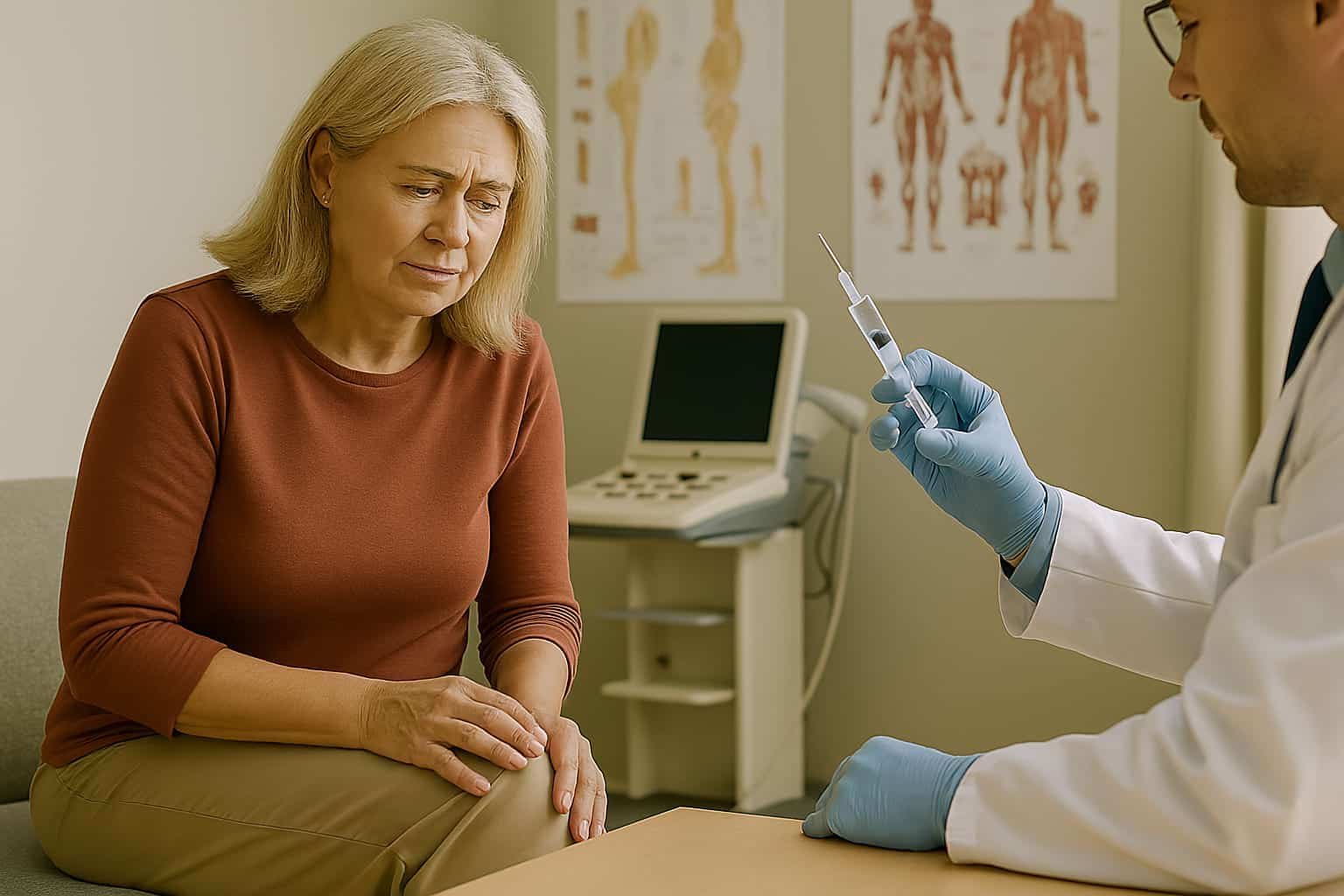

If you have been searching for the P Shot, the P-shot, P Shot treatment or the Priapus shot, you have likely come across a flood of promises — and perhaps an equal measure of confusion. Different clinics describe the treatment differently. Results seem to vary. Some websites speak in near-miraculous terms while others urge caution. So before you make any decisions, it helps to understand the core of what P Shot treatment actually involves: what PRP is, how it works, why it is used, and what the medical establishment currently says about it.
This is not a sales pitch. It is a straightforward, evidence-grounded breakdown of the science, the process, and the honest limitations — because that is what you deserve when making decisions about your health.
What Is PRP?
PRP stands for platelet-rich plasma. To understand what that means, it helps to know a little about your blood.
Your blood is made up of several components: red blood cells, white blood cells, plasma, and platelets. Plasma is the liquid portion — a pale, straw-coloured fluid that carries everything else around your body. Platelets are tiny, disc-shaped cells best known for their role in clotting when you cut yourself. But platelets do more than stop bleeding. They also release a range of proteins called growth factors, which play a role in tissue repair, cellular regeneration, and healing responses.
PRP is simply a concentrated version of your own plasma that contains a significantly higher number of platelets than you would normally find in whole blood. The idea is that by concentrating those platelets and delivering them directly to a target area, you can amplify the natural healing and tissue-signalling processes that your body already relies on.
PRP itself is not new. Clinicians have used versions of it in orthopaedics, dentistry, wound care, and dermatology for years. Whether it works depends heavily on the condition being treated, the quality of the preparation, and the individual patient — a point we will return to shortly.
Why Do Clinics Use PRP in P Shot Treatment?
The rationale behind using PRP in the P Shot is rooted in the biology of erectile tissue. The penis relies on a complex interplay of blood vessel function, nerve signalling, and smooth muscle tissue. When any of these components are compromised — through cardiovascular disease, diabetes, age-related changes, or other factors — erectile dysfunction (ED) can follow.
Proponents of P Shot treatment argue that injecting PRP directly into the penile tissue may stimulate localised healing and improve the health of blood vessels and surrounding structures. The growth factors released by concentrated platelets, they suggest, could encourage the formation of new blood vessels (angiogenesis) and support tissue repair in ways that might translate to improved erectile function.
It is a biologically plausible theory. But plausibility is not the same as proof, and here is where responsible discussion becomes essential.
The European Association of Urology (EAU) — one of the most respected urology bodies in the world — acknowledges that intracavernous PRP (that is, PRP injected into the erectile chambers of the penis) has led to mild improvement in erectile function among some patients with organic ED. However, the EAU is explicit that the evidence remains insufficient to recommend its routine use. You can review their position directly in their guidelines on sexual and reproductive health, specifically the chapter on erectile dysfunction management.
The Sexual Medicine Society of North America (SMSNA) goes further. In a published position statement, the SMSNA concludes that restorative therapies including PRP should be reserved for clinical trial settings until stronger and more robust evidence becomes available. This is not a dismissal of the science — it is an honest acknowledgement that we do not yet have the kind of large-scale, controlled trial data that would justify routine clinical recommendation.
That context matters. It means that if a clinic presents P Shot treatment as a proven, guaranteed solution for erectile dysfunction, they are overstating what the current evidence supports. Reputable clinics will acknowledge this openly.
How Is PRP Prepared for the P Shot?
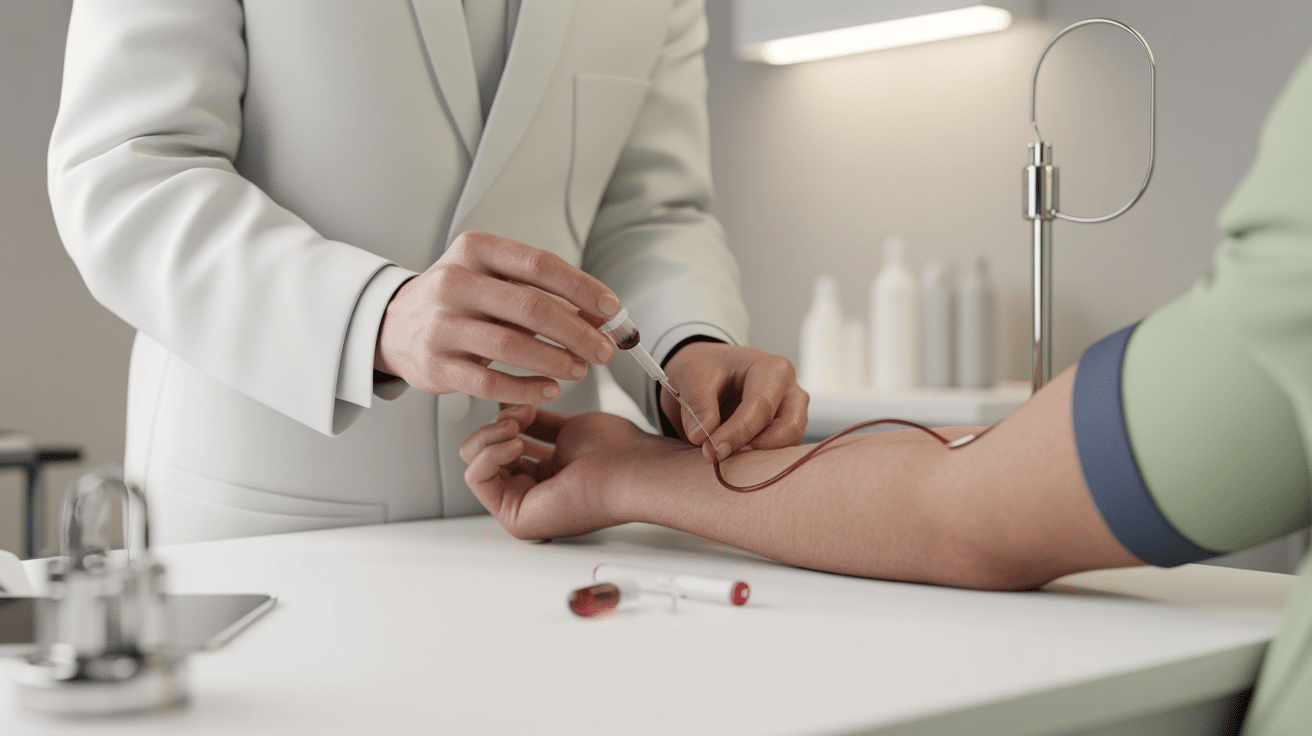
The preparation process for PRP in the P Shot follows a sequence that is, at its core, fairly straightforward — though the details vary considerably between clinics and practitioners.
The Blood Draw
The process begins with a simple venepuncture — a blood draw from your arm, much like you would have for any standard blood test. The amount collected is typically small, usually somewhere between 10 and 60 millilitres depending on the protocol being used.
Centrifugation
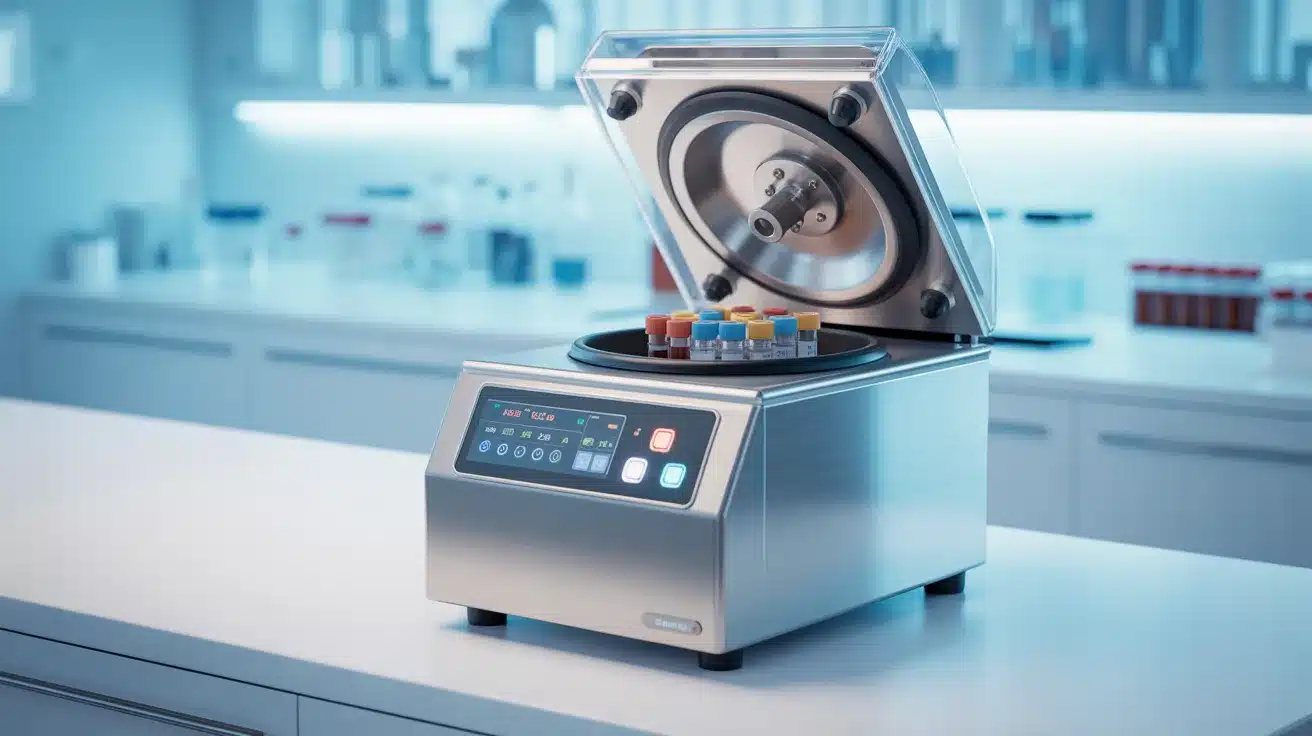
Once drawn, the blood goes into a centrifuge — a machine that spins the blood at high speed. Centrifugal force separates the blood into its different layers based on density. The heavier red blood cells fall to the bottom, the lighter plasma and platelets rise to the top, and a thin layer of white blood cells — called the buffy coat — sits between them.
PRP Collection
After centrifugation, the platelet-rich layer is carefully extracted. Depending on the system used, this may require one spin or two, and the resulting PRP can vary considerably in its platelet concentration. Some systems produce PRP with three to five times the normal platelet count; others achieve concentrations of eight times or higher. This variability matters more than many people realise.
Activation (In Some Protocols)
Some practitioners choose to activate the PRP before injection using substances such as calcium chloride or thrombin. Activation encourages the platelets to degranulate — that is, to release their growth factors immediately rather than gradually. Whether activation improves clinical outcomes in the P Shot context is not definitively established, and practice varies.
Injection
The prepared PRP is then injected into specific areas of the penile tissue. A topical anaesthetic cream is typically applied beforehand to minimise discomfort. In some clinics, a penile nerve block is used. The injection itself is brief, though the experience varies between patients.
Why Do Results Vary Between Clinics?
This is one of the most important questions you can ask when researching P Shot treatment — and the answer is more complex than most marketing materials acknowledge.
PRP is not a standardised product. There is no single formula, no universal concentration, and no regulated protocol that every clinic must follow. What one clinic calls PRP and what another clinic calls PRP can be fundamentally different in terms of platelet concentration, volume, activation method, and even the equipment used to prepare it.
Here is a breakdown of the key variables:
PRP Preparation Systems — Different centrifugation kits and devices produce different concentrations of platelets. A clinic using a higher-quality or more specialised system may produce PRP with significantly more growth factor activity than a clinic using a generic alternative. Since it is the platelets and their growth factors that form the theoretical basis of the treatment, this matters enormously.
Injection Technique and Anatomy — Where the PRP is injected, at what depth, and in what volume all influence the outcome. Practitioners with extensive training in penile anatomy and ultrasound-guided injection are better placed to deliver the treatment consistently than those with less specialised experience.
Patient Selection — Not every patient is the same. Someone with mild vascular ED related to lifestyle factors is in a very different clinical situation to someone with severe nerve damage following prostate surgery. The underlying cause and severity of erectile dysfunction significantly affects how any treatment — including PRP — might perform.
Combination Protocols — Some clinics combine P Shot London treatment with other interventions, such as low-intensity shockwave therapy or vacuum erection devices, as part of a broader protocol. Attributing results to any single component in a multi-treatment plan becomes difficult.
How Success Is Measured — Clinics may assess outcomes using validated questionnaires, patient-reported satisfaction, or informal follow-up conversations. These different measurement approaches make it almost impossible to compare results across clinics in a meaningful way.
All of this explains why anecdotal reports and clinic testimonials vary so widely. A positive experience at one clinic may reflect excellent technique, careful patient selection, and high-quality PRP preparation. A disappointing experience elsewhere might reflect the opposite. Neither tells you much about what you would experience.
The Importance of Proper Assessment Before P Shot Treatment
Here is something that does not always appear prominently in P Shot marketing but that good medicine demands: erectile dysfunction is often a symptom, not a condition in isolation.
The NHS advises that persistent erection problems warrant medical assessment. That advice exists for good reason. Erectile dysfunction can be an early warning sign of cardiovascular disease, diabetes, hormonal imbalances, or other underlying health issues. Treating the symptom without understanding the cause is not sound medicine.
NICE Clinical Knowledge Summaries (CKS) on erectile dysfunction include cardiovascular risk stratification as a core part of the assessment process. This reflects the well-established link between vascular health and erectile function — the same blood vessel health that affects the heart also affects the penis.
A reputable clinic offering P Shot treatment will not simply take your money and proceed to injection. They will ask about your medical history, current medications, and lifestyle factors. They may refer you to a GP or specialist if the clinical picture suggests an underlying condition that requires attention. This is not an obstacle; it is responsible care.
If a clinic seems unwilling to carry out proper assessment, or moves too quickly from enquiry to treatment, that is a signal worth heeding.
What PRP Is Not
Given the volume of misinformation circulating about P Shot treatment — particularly online — it is worth being explicit about what PRP cannot and does not do.
PRP is not a guaranteed cure for erectile dysfunction. The EAU and SMSNA have both been clear on this. Mild improvements have been reported in some studies, but consistent, large-scale evidence of meaningful erectile function improvement is not yet established.
PRP is not a proven method for penile enlargement. This claim circulates extensively, particularly in less regulated corners of the internet. The Cleveland Clinic, a globally respected medical institution, is direct on this point: claims that the P Shot increases penile size are not supported by scientific evidence. Patients pursuing the treatment for this reason may not achieve the results they are expecting, and the Cleveland Clinic explicitly warns about this.
PRP is not without risk. Because the treatment uses your own blood, the risks of immune reaction are low — but they are not zero. Bruising, swelling, and discomfort at the injection site are common. More serious complications, including changes in sensation or tissue damage, have been reported in rare cases. These risks are generally low when the procedure is carried out by a skilled, experienced practitioner in a proper clinical environment — but they exist.
PRP is not regulated as a medicine in the UK. PRP falls under a different regulatory category to pharmaceutical drugs, which means the oversight applied to its preparation and use is less stringent. This makes the choice of clinic and practitioner even more important.
Questions to Ask Before You Proceed
If you are seriously considering P Shot treatment, the following questions are worth putting to any clinic you are assessing:
What PRP preparation system do you use, and what platelet concentration does it typically produce? A clinic that cannot or will not answer this question with specificity is not one you should trust with your health.
What assessment will you carry out before treatment? As discussed, proper evaluation of your overall health — not just your erectile function — is a prerequisite for responsible care.
What outcomes should I realistically expect, and over what timeframe? Be wary of any clinic that promises dramatic, rapid results. Realistic expectations, clearly communicated, are a mark of clinical integrity.
What happens if I do not see results? Understanding the follow-up process and the clinic’s approach when treatment does not deliver the expected outcome is important before you commit.
Are you registered with the appropriate professional bodies? In the UK, practitioners carrying out procedures such as P Shot treatment should be registered with the relevant regulatory body — such as the General Medical Council for doctors or the Nursing and Midwifery Council for nurses — and operating within a Care Quality Commission-registered facility.
Key Takeaways

P Shot treatment typically involves platelet-rich plasma prepared from your own blood and injected into penile tissue. PRP contains a concentrated level of platelets that release growth factors involved in tissue signalling and repair.
The EAU acknowledges some mild evidence of benefit for organic erectile dysfunction but stops short of recommending routine use. The SMSNA advises that PRP-based restorative therapies should remain within clinical trial settings until stronger evidence emerges.
PRP preparation is not standardised. Differences in equipment, technique, platelet concentration, and patient selection mean that results vary significantly between clinics — even when the treatment name is the same.
Proper medical assessment before P Shot treatment is not optional. Erectile dysfunction can signal underlying health conditions that warrant attention in their own right.
PRP is not a proven method for penile enlargement, and no reputable medical authority supports that claim.
Choosing a properly regulated, experienced clinic that carries out thorough pre-treatment assessment is the single most important decision you will make if you pursue this treatment.
Frequently Asked Questions
How many sessions of P Shot treatment might I need?
This varies between clinics and individual patients. Some practitioners recommend a single session and assess response before considering further treatment. Others propose a course of two or three sessions. There is no universal protocol, and the appropriate approach depends on your individual circumstances and how you respond to initial treatment.
Is P Shot treatment safe?
When carried out by a qualified, experienced practitioner in a properly regulated clinical setting, the treatment is generally considered to carry a low risk profile. Because PRP uses your own blood, the risk of immune reaction is minimal. However, as with any injection-based procedure, risks include bruising, localised discomfort, and, rarely, changes in sensation. The importance of choosing a reputable clinic cannot be overstated.
Should I see my GP before pursuing P Shot treatment?
Yes — and any clinic worth considering will encourage this rather than discourage it. Your GP can help rule out underlying health conditions, review your medication (some medications affect erectile function), and ensure that P Shot treatment is being considered as part of an informed, medically sound approach to your health rather than a shortcut around it.
How do I know if a clinic is reputable?
Look for registered practitioners, a CQC-registered facility, a clear and thorough assessment process, transparent communication about evidence and limitations, and a willingness to answer your questions without pressure or evasion. Reputable clinics do not make guarantees. They explain what the evidence supports, what is realistic, and what the potential risks are.
Read More:
P Shot: What It Is, What It’s Used For, and Who It’s For
P-Shot Price in UK: Complete Guide for Patients
Sources
- European Association of Urology (EAU) Guidelines on Sexual and Reproductive Health — Erectile Dysfunction: https://uroweb.org/guidelines/sexual-and-reproductive-health/chapter/management-of-erectile-dysfunction
- SMSNA Position Statement on Restorative Therapies: https://pubmed.ncbi.nlm.nih.gov/34000480/
- NHS — Erection Problems (Erectile Dysfunction): https://www.nhs.uk/conditions/erection-problems-erectile-dysfunction/
- NICE Clinical Knowledge Summaries — Erectile Dysfunction, Assessment: https://cks.nice.org.uk/topics/erectile-dysfunction/diagnosis/assessment/
- Cleveland Clinic — P-Shot (Priapus Shot): https://my.clevelandclinic.org/health/treatments/p-shot