✅ Medically reviewed | Updated July 2026
Most men who search for the P Shot want one simple answer: how many times do I need to sit through this procedure before I see real change? It’s a fair question, and honestly, most competitor guides skim right past it. They explain what PRP is, they mention vague timelines, but they rarely break down the actual session structure, what happens at each visit, or why your body might need more than one round. This guide fixes that gap. We break down exactly how many sessions the Priapus shot typically involves, what influences that number, and what you can expect at every single visit — using verified details from a CQC-regulated London clinic that performs this treatment daily.
Whether you’re comparing P shot treatment options, researching male enlargement injections cost UK, or simply trying to understand penile injection growth realistically, this article gives you the complete picture. No fluff, no vague promises — just clear, doctor-informed facts you can actually use to make a decision.
What Exactly Is the P-Shot?
The Priapus Shot uses your own blood to create a concentrated dose of platelet-rich plasma (PRP). Doctors draw a small blood sample, spin it in a medical-grade centrifuge, and extract the platelet-rich layer. This plasma carries growth factors that stimulate blood vessel formation, support nerve repair, and encourage tissue regeneration when doctors inject it into penile tissue.
Named after Priapus, the Greek god of fertility, the treatment targets erectile dysfunction, reduced sensitivity, and even Peyronie’s disease. The procedure introduces nothing artificial into your body — it simply concentrates what your blood already produces and redirects it to where healing needs to happen most.
Why the Body Responds the Way It Does
Growth factors within PRP signal your body to build new blood vessels and repair damaged tissue naturally. This biological process, known as angiogenesis, takes time to unfold. It doesn’t happen the moment the needle leaves your skin — it develops gradually over several weeks as your tissue absorbs and responds to the plasma.
Why This Matters Before You Ask About Sessions
Understanding the science first helps you understand the session count later. PRP doesn’t work like a filler that gives instant results. It triggers a process that plays out over time, which is exactly why the number of sessions you need depends on your starting point, not a fixed formula everyone follows.
How Many Sessions Are There in the P-Shot?
Here’s the answer most competitor sites bury or skip entirely: the majority of men only need a single P Shot session to begin experiencing noticeable changes. Doctors typically prescribe a single treatment first, then reassess your progress at scheduled follow-ups before recommending anything further.
The Standard Protocol: One Session
A standard Priapus shot appointment lasts between 30 and 45 minutes from start to finish. Doctors calibrate the injection volume and placement based on your individual assessment during this single visit. For men with mild to moderate erectile dysfunction, reduced sensitivity, or early-stage Peyronie’s disease, one session often delivers meaningful improvement within eight to twelve weeks.
Why Some Men Consider a Second Session
Not every patient reaches their goal after one visit, and a good clinic tells you this honestly rather than promising universal results. Men with more advanced vascular issues, longer-standing erectile dysfunction, or more pronounced Peyronie’s curvature sometimes benefit from a second round. Doctors never push a second session as a default — they base that recommendation on your progress at the six-week and twelve-week follow-up consultations.
Maintenance Sessions After 12 Months
Because P Shot results typically last 12 months or longer, many men choose an annual maintenance session rather than repeated short-term treatments. Think of this less like a course of injections and more like a periodic top-up once your body’s natural regeneration process starts to plateau.
Who Makes a Good Candidate for the P-Shot?
Understanding candidacy helps explain why session numbers differ from person to person. Doctors generally consider men experiencing mild to moderate erectile dysfunction, reduced sensitivity, early Peyronie’s disease symptoms, or those recovering from prostate-related procedures to be strong candidates.
When a Consultation Comes First
No reputable clinic injects PRP without a proper consultation first. Doctors review your medical history, current medications, and any underlying health conditions before confirming you’re suitable. This step also determines whether one session will likely be enough or whether they should plan a review sooner.
Conditions That May Need Extra Discussion
Men with bleeding disorders, active infections in the treatment area, or certain blood-thinning medications need a more detailed conversation with their doctor before proceeding. Being upfront about your full medical history at this stage helps doctors plan your treatment accurately from day one.
What Happens During Each P-Shot Session
Knowing the session count only helps if you understand what each visit actually involves. Here’s the realistic breakdown of a single appointment, stage by stage.
Step 1: Preparation and Numbing (10 Minutes)
You settle into a private treatment room, and staff apply a topical numbing cream to the treatment area. If you have a lower pain threshold, you can request a penile nerve block for additional comfort — just mention this when you book.
Step 2: Blood Collection (5 Minutes)
A doctor draws a small blood sample from your arm, similar to a routine blood test. This is the only needle that touches your arm — everything else happens in the treatment area itself.
Step 3: PRP Processing (15 Minutes)
Technicians place your blood sample into a medical-grade centrifuge. A dual-spin protocol concentrates the platelets to a significantly higher level than standard single-spin processing, which directly affects how well the growth factors perform once injected.
Step 4: Extraction and Injection (15 Minutes)
Once processing finishes, doctors draw the concentrated PRP into syringes and administer it using ultra-fine needles at four to five precise points, depending on your individual protocol. Because the numbing cream has already taken effect, most patients describe the sensation as mild pressure rather than pain.
Step 5: Aftercare Guidance
Before you leave, your doctor walks you through aftercare instructions directly. Some clinics provide a medical-grade vacuum device for home use to support blood flow during the early healing phase.
Aftercare Tips You Can Follow at Home
Competitor articles rarely go beyond “avoid sex for a few days.” Here’s a more complete picture of what supports recovery between sessions.
Immediate Aftercare (First 48 Hours)
Keep the treatment area clean and avoid strenuous exercise for the first day or two. Mild swelling or light bruising can occur, and this typically settles within a few days without any treatment.
Supporting Circulation During Recovery
Staying well hydrated and avoiding smoking during the healing window can support how well your tissue responds to the growth factors. Gentle daily movement, like walking, encourages healthy circulation without straining the treated area.
When to Contact Your Clinic
If you notice unusual swelling, persistent pain, or signs of infection such as redness spreading beyond the injection site, contact your clinic promptly rather than waiting for your scheduled follow-up.
Factors That Affect How Many P-Shot Sessions You Need
No two men respond to PRP therapy in exactly the same way. Several factors shape whether one session is enough or whether you should plan for a second.
Underlying Condition Severity
Mild vascular-related erectile dysfunction tends to respond well to a single treatment. More advanced cases, or conditions like moderate-to-severe Peyronie’s disease, sometimes need a follow-up session to achieve the desired result.
Age and General Health
Circulation, tissue elasticity, and overall health all influence how efficiently your body uses the growth factors from PRP. Younger, generally healthy men often see faster, more pronounced changes from one session.
Lifestyle Factors
Smoking, poor circulation, uncontrolled diabetes, and certain medications can all slow the regenerative process. Doctors review these factors during consultation so they can set realistic expectations from day one.
Treatment Goals
Some men seek the P Shot purely for erectile function support, while others combine it with shockwave therapy for enhanced vascular results. Combination protocols sometimes change the recommended session timeline.
P-Shot Before and After: What the Timeline Actually Looks Like
This is where most competitor content gets vague. Here’s a realistic, stage-by-stage breakdown of the P shot before and after journey.
Week 1 to 2: The treated area settles. Some men notice a mild increase in sensitivity, but there are usually no visible signs a procedure took place. Most doctors advise abstaining from sexual activity for four to five days.
Week 4: Many patients begin noticing early improvements. Sensitivity often increases, and some men report stronger morning erections as the angiogenic process progresses.
Weeks 8 to 12: For most patients, this window brings the clearest penile injection growth results — improvements in firmness, sensitivity, and confidence become more apparent. Men with Peronei’s disease may notice reduced curvature or discomfort.
12 months and beyond: Results generally persist for a year or longer. This is the natural point to discuss whether an additional session or annual maintenance protocol suits your goals.
Setting Realistic Expectations
Results build gradually rather than appearing overnight, and that’s a normal part of how PRP works. Patients who understand this timeline in advance tend to feel far more confident throughout the process than those expecting instant change.
Is the P-Shot Safe?
Because the treatment uses your own blood, the risk of allergic reaction or rejection stays low compared to synthetic fillers or implants. That said, like any injection-based procedure, mild side effects such as temporary swelling, light bruising, or tenderness at the injection site can occur.
Why the Treating Clinic Matters
A CQC-regulated clinic with a GMC-registered doctor performing the injections personally reduces risk significantly compared to unregulated providers. Always confirm these credentials before booking anywhere, regardless of price.
Priapus Shot Price in the UK: What a Single Session Includes
Understanding priapus shot price helps you budget realistically, especially since costs vary between UK clinics depending on technique, doctor experience, and what’s included in the package.
At Dr SNA Clinic in London, a Standard P-Shot session costs from £1,250, and every appointment includes a consultation, dual-spin PRP processing, topical numbing or nerve block, injections performed personally by the treating doctor, and both six-week and twelve-week follow-up consultations. An Enhanced P-Shot combined with shockwave therapy is available from £1,350, recommended where vascular factors play a larger role in erectile dysfunction. 0% finance options let patients spread the cost over several months, which many competitor articles never mention.
P-Shot vs Other Male Enlargement Injections Cost UK
When comparing male enlargement injections cost UK, it helps to see how the P-Shot stacks up against alternatives. PDE5 medications offer immediate but temporary results and require ongoing cost. Shockwave therapy alone runs around £500 per session and lasts up to two years. Surgical penile implants cost significantly more — often £8,000 to £15,000 — and involve real recovery downtime. The P-Shot sits in a middle ground: no surgery, no ongoing medication, and results that typically last 12 months or more from a single autologous treatment.
Why Session Count Affects Overall Value
Because most men need only one session, the total cost of the P-Shot often works out lower over a 12-month period than repeated medication purchases or multiple shockwave courses. Factoring in session frequency, not just per-visit price, gives a clearer picture of long-term value.
Booking Your P-Shot Appointment in London
Dr SNA Clinic operates from 48 Wimpole Street, Marylebone, London W1G 8SF, a CQC-regulated clinic where every P-Shot session is carried out personally by Dr Syed Nadeem Abbas, MBBS. Clinic hours run 10:00 to 18:00 UK time, and you can reach the team directly on +44 7955 836986. If you’d rather see the procedure explained visually before booking, you can watch Dr Abbas walk through the entire P Shot process on the clinic’s YouTube channel, which covers everything from PRP preparation to patient testimonials.
For the fullest picture of what a single session involves, including pricing packages and candidacy details, it’s worth reading through the full P-Shot treatment overview before your consultation. If you’re ready to take the next step, you can explore full appointment details and book a consultation directly through the clinic’s dedicated treatment page.
What to Prepare Before Your First Visit
Bring a list of current medications and note down any relevant medical history beforehand. Arriving prepared helps your doctor make an accurate assessment during your very first visit, which can speed up how quickly they confirm your treatment plan.
Frequently Asked Questions About P-Shot Sessions
Do all men need more than one P-Shot session?
No. Most men see meaningful results from a single session, particularly when the underlying cause is mild to moderate vascular-related dysfunction.
How soon can I book a second session if needed?
Doctors typically assess this at your twelve-week follow-up, after they’ve had time to evaluate how your tissue has responded to the first treatment.
Does combining the P-Shot with shockwave therapy change the session count?
Not necessarily. Many patients complete the combined protocol in a single extended appointment rather than multiple separate visits.
Is a maintenance session mandatory?
No. It’s optional and depends entirely on how long your results last and whether you want to sustain them beyond the typical 12-month window.
What if I don’t notice any changes after one session?
This is exactly what the follow-up consultations are for — doctors reassess your progress and discuss next steps only if genuinely needed.
Does the number of sessions affect the total price?
Yes. Since most patients complete treatment in one session, total cost stays predictable. Any additional session would be discussed and priced separately during your follow-up.
Can I return to normal activity straight after a session?
Most men resume light daily activity the same day, though doctors generally recommend avoiding strenuous exercise and sexual activity for four to five days.
Final Thoughts
The honest answer to “how many sessions are there in the P-Shot” is refreshingly simple: most men need just one, with follow-up consultations built in to track progress rather than assumed repeat treatments. What actually determines your outcome isn’t a fixed session count — it’s an honest, doctor-led assessment of your specific situation. If you’re weighing up whether the priapus shot is right for you, the most useful next step isn’t more research. It’s a face-to-face consultation with a doctor who can look at your history and tell you honestly what to expect.
Related Reading from Dr SNA Clinic
- P-Shot London — Full Treatment Overview and Pricing
- P-Shot for Erectile Dysfunction: What the Evidence Says
- P-Shot for Peyronie’s Disease: What Early Research Shows
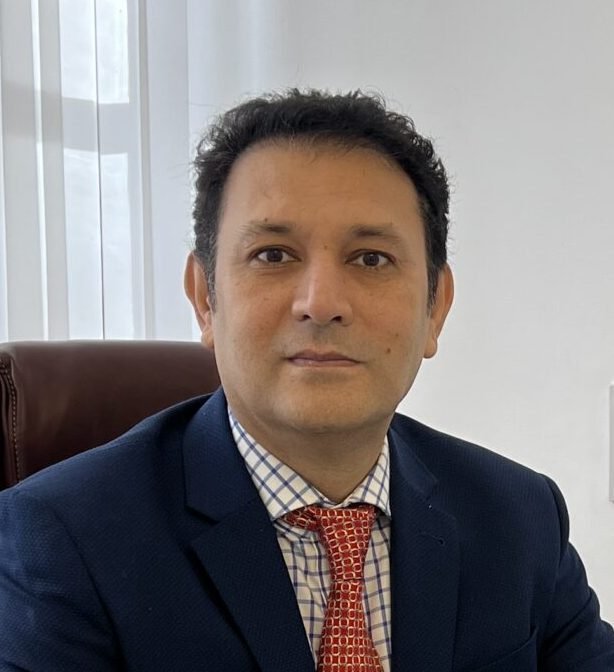
Mr Syed Nadeem Abbas, MBBS, MRCSEd, MSc Aesthetic Plastic Surgery (Distinction) Medical Director, Dr SNA Clinic 48 Wimpole Street, Marylebone, London W1G 8SF GMC Registered | CQC Regulated | Monday to Saturday 10:00–18:00 +44 7955 836986 | info@drsnaclinic.com