
✅ Medically reviewed | Updated July 2026
Picture this: you finish masturbating, and a nagging thought creeps in. Did that just damage your ability to perform later? If you’ve typed “does masturbation cause ED” into Google at 2am, you’re far from alone. Millions of men search this exact question every year, often carrying years of quiet worry, guilt, or misinformation picked up from forums, locker room talk, or outdated myths. The good news is refreshingly simple: masturbation does not cause erectile dysfunction. But the full picture is more nuanced than a one-line answer, and understanding it properly can save you from unnecessary anxiety — or help you spot when something else genuinely needs medical attention. This article breaks down what science actually says, separates real risk factors from myths, and explains what steps to take if erection problems are affecting your life.
Does Masturbation Cause ED? The Short Answer
Let’s settle this immediately. Medical research finds no direct link between masturbation and long-term erectile dysfunction. Masturbation is a normal part of human sexuality across nearly every age group. It does not damage penile tissue, does not “wear out” nerve endings, and does not reduce your body’s natural ability to achieve an erection during partnered sex.
Doctors and sexual health researchers agree on this point. Erectile dysfunction happens when blood flow, nerve signals, hormones, or psychological factors interfere with an erection. Masturbation itself doesn’t touch any of those systems in a harmful way. In fact, some research suggests regular sexual activity, including masturbation, may support healthy blood flow to the penis over time.
So why does the myth persist? Cultural taboos, guilt from religious or conservative upbringings, and confusing information online all feed the misconception. None of that changes the medical facts.
What Actually Causes Erectile Dysfunction
If masturbation isn’t the culprit, what is? ED usually stems from a combination of physical and psychological factors. Doctors group these into several broad categories.
Physical and Vascular Causes
Erections depend heavily on healthy blood flow. Conditions like diabetes, high blood pressure, high cholesterol, and heart disease can restrict circulation to the penile tissue, making firm erections harder to achieve. Poor vascular health is the single most common physical driver of ED in men over 40.
Smoking, obesity, and a sedentary lifestyle also damage blood vessels over time, compounding the problem.
Hormonal and Neurological Factors
Low testosterone can reduce sexual desire and erection quality. Nerve damage, whether from surgery, diabetes, or spinal injury, can interrupt the signals between the brain and the penis that trigger an erection.
Psychological Contributors
Stress, anxiety, depression, and relationship difficulties frequently show up as erectile problems. Performance anxiety is particularly common, and it can create a frustrating cycle: a man worries about underperforming, that worry itself interferes with arousal, and the resulting experience reinforces the original fear.
Medication Side Effects
Certain medications, including some antidepressants, blood pressure drugs, and antihistamines, list erectile difficulty as a known side effect.
When Masturbation-Related Habits Cause Confusion
While masturbation itself is not harmful, certain related habits can create genuine, though usually temporary, difficulties.
Death Grip Syndrome
Some men develop a habit of gripping too tightly or using a specific technique repeatedly during masturbation. Over time, the penis can become desensitised to gentler stimulation, such as touch from a partner. This is a conditioning issue, not physical damage, and it typically improves once the technique changes.
Porn-Induced Performance Concerns
Frequent, high-intensity pornography use, especially in younger men, has been associated with reduced arousal during partnered intimacy in some studies. This pattern is sometimes referred to informally as porn-induced erectile dysfunction, though it is not an officially recognized medical diagnosis. The mechanism appears psychological rather than physical — the brain becomes accustomed to a specific type of stimulation.
Guilt and Shame
Men who feel significant guilt about masturbation, often due to cultural or religious background, report higher anxiety levels around sex. A 2025 clinical study found that married men carrying high masturbation-related guilt experienced more anxiety and less frequent intercourse with their partners. The guilt, not the act itself, is doing the damage here.
The Refractory Period
After ejaculation, every man goes through a natural recovery window called the refractory period, during which arousal temporarily decreases. This is biological and normal. It is not erectile dysfunction, even though it can feel confusing if mistaken for one.
How to Tell the Difference: Temporary Habit vs Genuine ED
This distinction matters enormously, yet most articles online skip over it. Here’s a simple way to think about it.
Signs it’s likely a habit or psychological pattern:
- You can maintain a firm erection during masturbation but struggle with a partner
- The issue improves when you change technique or reduce porn use
- Anxiety or guilt is clearly present around sexual situations
- Erections return to normal after a few weeks of adjustment
Signs it may be genuine erectile dysfunction:
- Difficulty achieving or maintaining an erection in most or all situations, including alone
- The problem persists for three months or longer
- You have risk factors such as diabetes, high blood pressure, smoking, or being over 40
- Morning erections have become rare or absent
If your symptoms match the second list, a proper medical assessment is the right next step, rather than guesswork or self-diagnosis from online forums.
Practical Steps for Healthy Sexual Function
Whether you’re dealing with habit-related concerns or want to protect long-term erectile health, a few evidence-based habits genuinely help.
Vary Your Technique
If you suspect desensitisation from a specific masturbation style, deliberately varying grip pressure and pace can help restore sensitivity over time.
Reduce High-Frequency Porn Use
Cutting back on frequent, high-intensity pornography consumption often improves arousal responsiveness during partnered sex within a matter of weeks.
Address Underlying Anxiety
Talking openly with a partner, or seeking support from a therapist, can meaningfully reduce performance anxiety and its knock-on effects on erectile function.
Support Cardiovascular Health
Regular exercise, a balanced diet, not smoking, and moderate alcohol intake all support the blood vessel health that erections depend on. This single lifestyle shift often produces noticeable improvement within a few months.
Get Bloodwork Done
If ED persists, ask a GP to check testosterone, blood sugar, and cardiovascular markers. Erectile difficulty is sometimes an early warning sign of cardiovascular disease, so it is worth taking seriously rather than dismissing.
When to See a Doctor
Persistent erectile difficulty lasting more than a few months deserves a proper clinical conversation, not silence. Many men delay seeking help out of embarrassment, but ED is common, treatable, and nothing to feel ashamed about. A doctor can identify whether the cause is vascular, hormonal, psychological, or medication-related, and guide you toward the most appropriate option.
For men who have tried lifestyle changes without success, or who prefer to avoid long-term reliance on oral medication, regenerative options such as PRP-based treatments are increasingly used to address the underlying physiology rather than simply masking symptoms. Dr Abbas at Dr SNA Clinic in London offers a doctor-led PRP injection treatment, using your own platelet-rich plasma to support blood vessel formation, tissue repair, and nerve renewal in men with mild to moderate vascular-related erectile dysfunction.
What the Appointment Involves
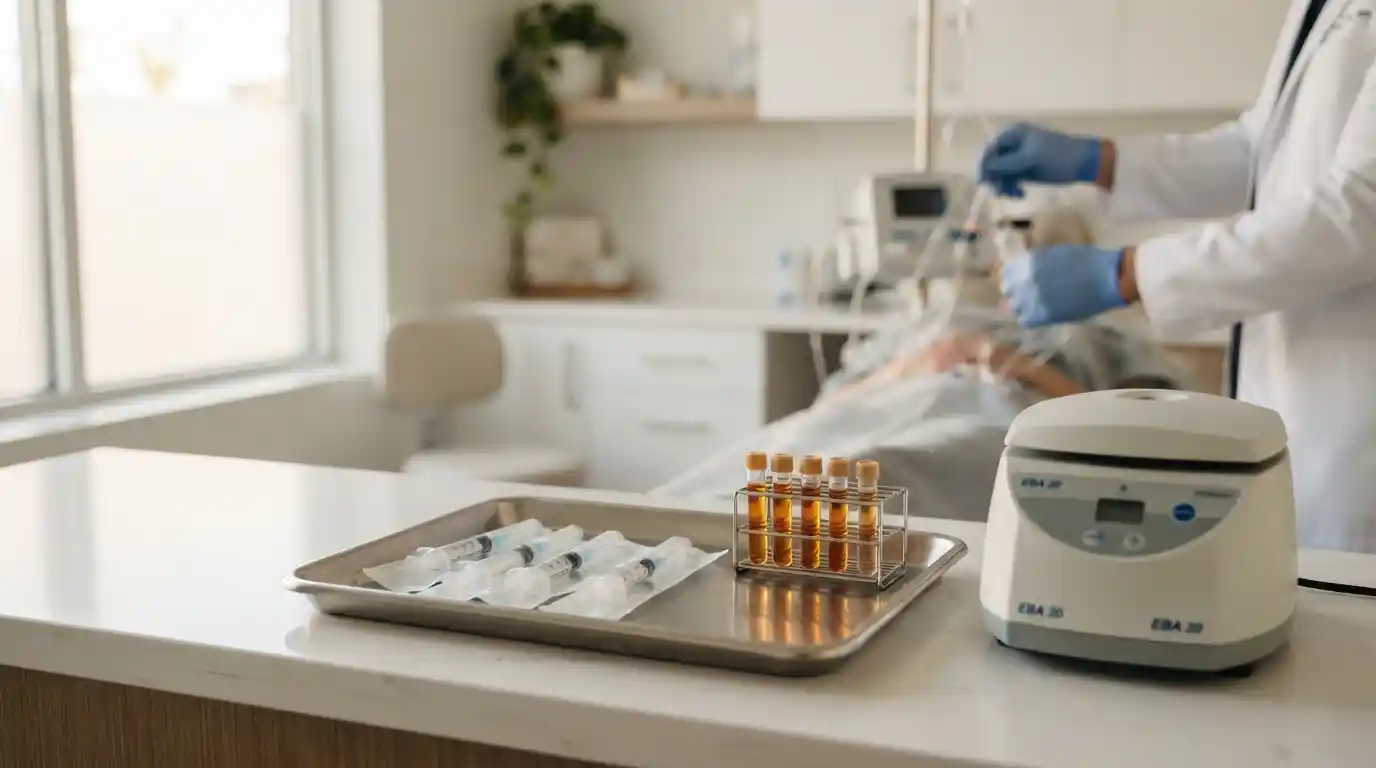
At Dr SNA Clinic, every session is carried out personally by Dr Syed Nadeem Abbas, MBBS, from blood draw through to injection. The full appointment takes 30 to 45 minutes. Doctors apply a topical numbing cream, or a penile nerve block on request, before drawing a small blood sample and processing it through a dual-spin centrifuge to concentrate the platelets. The clinic administers the injections using ultra-fine needles, and most patients return to normal activity, including work and driving, the same day.
Pricing and Booking Details
- Standard P Shot: £1,250 (single dual-spin PRP session)
- Enhanced P-Shot + Shockwave: £1,350
- 0% finance is available for patients who prefer to spread the cost
- Every treatment includes a consultation, dual-spin PRP processing, numbing option, and both a six-week and twelve-week follow-up
The clinic is located at 48 Wimpole Street, Marylebone, London W1G 8SF, and is open 10:00 to 18:00, UK time. Patients can call +44 7955 836986 to book or ask questions before committing.
For men who want to see the procedure explained directly, Dr SNA Clinic’s YouTube channel has walkthroughs covering how PRP treatment works and what to expect during recovery.
Frequently Asked Questions
Does frequent masturbation weaken erections permanently?
No. There is no evidence that frequent masturbation causes permanent erectile weakness. Temporary desensitisation from technique or porn habits usually resolves once those habits change.
Can stopping masturbation cure erectile dysfunction?
Not on its own. If ED has a vascular, hormonal, or medical cause, abstaining from masturbation will not resolve it. A proper assessment is needed to identify the actual cause.
Is it normal to lose an erection faster after masturbating?
Yes, this reflects the natural refractory period after ejaculation and is not a sign of dysfunction.
Should I see a doctor if erection problems only happen occasionally?
Occasional difficulty, especially during stress or fatigue, is common and rarely a concern. Persistent difficulty over several months warrants a medical check.
What treatments exist beyond medication for ED?
Options include lifestyle changes, addressing psychological factors, and regenerative treatments such as PRP injections, which some men consider when they prefer to avoid ongoing medication. A qualified physician can advise on the most suitable route for your situation.
Final Thoughts
The myth that masturbation causes ED has caused far more anxiety than it has ever prevented. The real drivers of erectile dysfunction lie in vascular health, hormones, psychology, and lifestyle, not in a normal, healthy sexual activity. If erection difficulties are affecting your confidence or relationships, the most productive step is an honest conversation with a qualified doctor rather than continued guesswork. Whether that means addressing lifestyle factors, working through anxiety, or exploring regenerative treatment options, clarity and proper assessment make all the difference. For further guidance, visit the official site or speak to a specialist directly.
Related Reading From Dr SNA Clinic
- P-Shot London — Full Treatment Overview and Pricing
- Is the P-Shot Worth Getting? An Honest Answer
- P-Shot for Erectile Dysfunction: What the Evidence Says
- P-Shot for Peyronie’s Disease: What Early Research Shows
- P-Shot for Lichen Sclerosus: What Early Research Shows
- Can the P-Shot Help With Low Libido?
- Erectile Dysfunction Treatment UK: Every Option Explained Honestly
- P-Shot Side Effects: What Are the Risks and How Common Are They?
Dr Syed Nadeem Abbas, MBBS, MRCSEd, MSc Aesthetic Plastic Surgery (Distinction) Medical Director, Dr SNA Clinic 48 Wimpole Street, Marylebone, London W1G 8SF GMC Registered | CQC Regulated | Monday to Saturday 10:00–18:00 +44 7955 836986 | info@drsnaclinic.com