✅ Medically reviewed | Updated July 2026
Your own blood cannot betray you — and that single fact answers the biggest fear men have before tried the P-Shot. Search “PRP rejection” online and you’ll find plenty of vague reassurance but very few straight answers. This article changes that. We break down exactly what happens inside your body during a Platelet-Rich Plasma injection, why true rejection is virtually impossible, what genuine side effects actually look like, and how a properly regulated clinic protects you from start to finish. If you’ve been putting off booking a P Shot treatment because you’re worried about safety, read on — you’re about to get the clearest, most honest breakdown available anywhere.
What Does “PRP Rejection” Actually Mean?
PRP rejection, in medical terms, happens when your immune system attacks something it identifies as foreign. Organ transplants get rejected. Donor blood can trigger a reaction. Dermal fillers sometimes cause inflammation because they introduce synthetic material into your tissue.
PRP works completely differently. A clinician draws a small sample of your own blood, spins it in a centrifuge, and injects the concentrated platelets back into your body — usually within the same appointment. There is no donor, no synthetic compound, and nothing your immune system hasn’t already accepted for years. This is why doctors describe PRP as “autologous,” meaning it originates entirely from you.
So can your body reject PRP? In the true immunological sense, no. Your immune system does not attack your own platelets. That doesn’t mean PRP carries zero risk — every injection procedure does — but the risk profile looks nothing like rejection.
Why True Rejection Is Nearly Impossible
Your Immune System Already Recognises Your Blood
Every platelet, growth factor, and protein in the PRP solution already carries your body’s own genetic markers. Your immune system doesn’t flag these cells as invaders because it has never treated them as invaders. This mechanism removes the biggest risk factor associated with foreign-substance treatments.
No Synthetic Additives Means No Allergic Trigger
Many aesthetic and medical injections combine active ingredients with preservatives, stabilisers, or synthetic carriers. PRP skips all of that. Clinics extract plasma, concentrate the platelets, and inject the solution without adding foreign chemicals. Removing synthetic additives removes the most common source of allergic reactions.
Dual-Spin Processing Reduces Contamination Risk
Reputable clinics use medical-grade, dual-spin centrifuge protocols to separate platelets from red and white blood cells with precision. A cleaner separation process produces a purer plasma solution, which lowers the chance of irritation at the injection site.
What Competitor Guides Leave Out
Most existing P-Shot articles online explain what PRP is and list generic benefits, but they rarely address the specific fear behind the search term “PRP rejection.” They also skip over:
- The biological reason rejection can’t occur with autologous treatments
- A clear breakdown of expected versus abnormal side effects
- What disqualifies a patient from treatment
- Practical aftercare steps that reduce swelling and bruising
- Transparent, published pricing rather than “price on request”
We’ve built this guide to close every one of those gaps, using verified information so you leave with real answers, not marketing language.
The Real Side Effects You Might Experience
Because PRP is autologous, side effects tend to be minor, localised, and short-lived rather than systemic. Patients commonly report:
- Mild swelling at the injection site
- Temporary tenderness or sensitivity
- Occasional light bruising
These effects typically settle within 24 to 72 hours. Serious adverse events remain rare when a qualified physician performs the procedure using sterile, single-use equipment.
When Should You Actually Worry?
Persistent pain beyond a few days, signs of infection such as spreading redness or fever, or unusual discharge from the injection site warrant a call to your clinic immediately. A properly regulated provider will always give you direct aftercare contact details for exactly this reason.
Who Shouldn’t Have the P-Shot
Safety isn’t only about what happens during treatment — it’s about screening out patients who face higher risk beforehand. A responsible clinic will not proceed if you have:
- An active genital infection or untreated sexually transmitted infection
- A bleeding disorder or platelet dysfunction, including thrombocytopenia
- Current anticoagulant therapy that hasn’t been cleared by your prescribing doctor
- Ongoing cancer treatment in the pelvic region
- A known allergy to local anaesthetics used during numbing
This is precisely why a thorough consultation matters more than the injection itself. A doctor who properly reviews your medical history before treatment is doing more to protect you than any product or protocol.
How the Procedure Actually Works, Step by Step
Understanding the process removes most of the anxiety around safety. Here’s what a well-run appointment involves:
- Consultation – Your doctor reviews your medical history and discusses realistic expectations.
- Numbing – A topical anaesthetic cream, or a penile nerve block on request, keeps discomfort minimal.
- Blood draw – A small, standard blood sample is taken from your arm, similar to a routine blood test.
- Centrifuge processing – The sample spins for around 15 minutes to concentrate the platelets.
- Injection – Using ultra-fine needles, the doctor delivers the PRP directly into the treatment area.
- Aftercare guidance – You receive clear instructions before leaving the clinic.
The full appointment usually takes 30 to 45 minutes, and most patients resume normal daily activity immediately afterward.
Practical Tips to Minimise Side Effects
Small habits before and after your appointment genuinely reduce swelling and bruising:
- Avoid blood-thinning medication such as aspirin for a few days before treatment, if your doctor advises it
- Stay well hydrated in the 24 hours before your appointment
- Skip strenuous exercise on the day of treatment
- Avoid sexual activity for four to five days to let treated tissue settle
- Apply any aftercare guidance your doctor gives you, rather than improvising
Following these simple steps often makes the difference between a smooth recovery and unnecessary discomfort.
Booking Your P-Shot Safely in London
If you’re ready to move from research to a real consultation, appointment details matter. According to Dr SNA Clinic’s official P-Shot page, treatment takes place at 48 Wimpole Street, Marylebone, London W1G 8SF, inside a CQC-regulated clinic.
Pricing starts from £1,250 for the Standard P-Shot using dual-spin PRP processing, or £1,350 for the Enhanced P-Shot combined with shockwave therapy. Every package includes a consultation, the injection itself, and two included follow-up appointments at six and twelve weeks. Clinic hours run from 10:00 to 18:00, UK time, and 0% finance is available for patients who want to spread the cost.
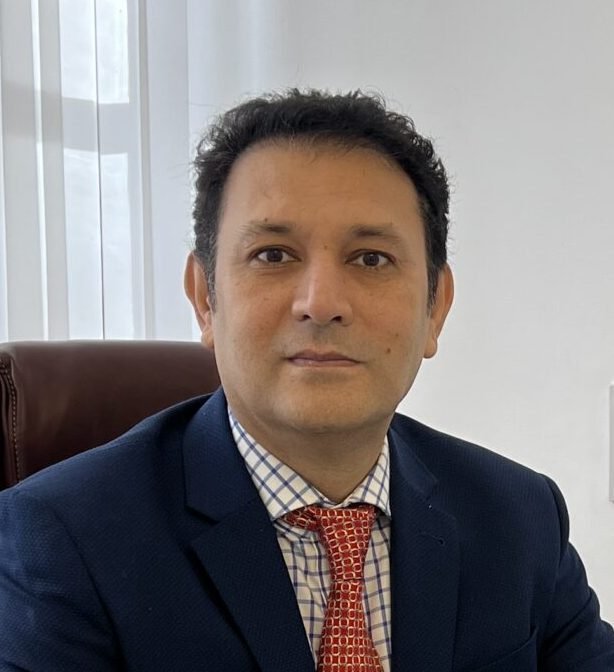
Every injection at this clinic is carried out personally by Dr Syed Nadeem Abbas, MBBS, MRCSEd, rather than delegated to a nurse or junior practitioner — a detail worth checking wherever you choose to go. You can review the full P-Shot treatment overview and pricing here before booking.
For a visual walkthrough of the procedure, Dr Abbas and his team also share patient insights on their YouTube channel, which is a helpful next step if you’d rather watch the process explained before committing to a consultation.
Frequently Asked Questions
Can PRP cause an allergic reaction?
Genuine allergic reactions to PRP are extremely rare because the plasma comes from your own blood. Reactions to the topical numbing cream are more common, though still uncommon overall.
Is bruising after the P-Shot a sign of rejection?
No. Bruising simply results from the injection process itself, not from your immune system reacting to foreign material. It typically fades within a few days.
How do I know if I’m a suitable candidate?
A face-to-face consultation with a qualified physician, reviewing your full medical history, remains the only reliable way to confirm suitability.
Does the P-Shot hurt more than expected?
Most patients describe mild pressure rather than sharp pain, largely because of the topical numbing cream applied beforehand.
How soon can I expect results?
Many patients notice early changes around four weeks, with more significant improvements between eight and twelve weeks, according to information published on the clinic’s treatment page.
Final Thought
The fear of “PRP rejection” comes from confusing autologous treatments with foreign-substance procedures — and once you understand that your own blood cannot trigger an immune attack against itself, most of that anxiety disappears. Real safety depends far less on the biology of PRP and far more on choosing a properly regulated clinic, a qualified doctor, and honest aftercare guidance. If you’re considering treatment, a direct conversation with an experienced physician remains the most reliable way to get answers specific to you.
Reading from Dr SNA Clinic
- P-Shot London — Full Treatment Overview and Pricing
- Is the P-Shot Worth Getting? An Honest Answer
- P-Shot Treatment for Diabetic ED: Is PRP an Option?
- Erectile Dysfunction Treatment UK: Every Option Explained Honestly
- P-Shot Side Effects: What Are the Risks and How Common Are They?
Dr Syed Nadeem Abbas, MBBS, MRCSEd, MSc Aesthetic Plastic Surgery (Distinction) Medical Director, Dr SNA Clinic 48 Wimpole Street, Marylebone, London W1G 8SF GMC Registered | CQC Regulated | Monday to Saturday 10:00–18:00 +44 7955 836986 | info@drsnaclinic.com