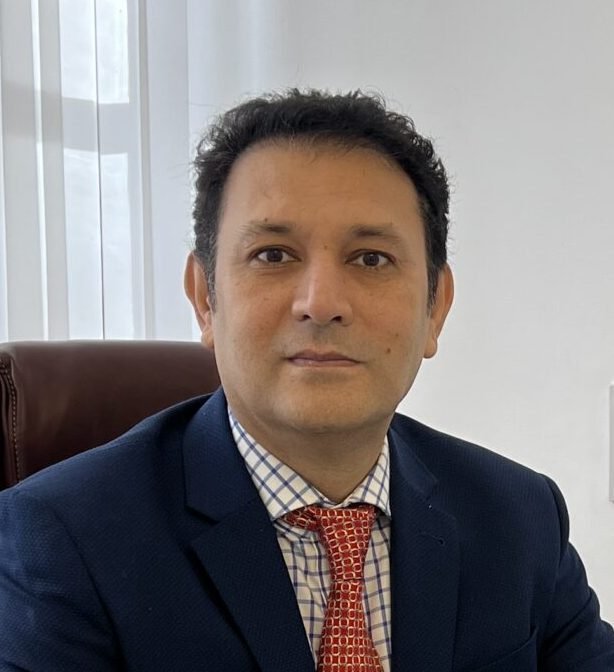
✅ Medically reviewed | Updated July 2026
Picture this: you’ve tried the pills, you’ve read the forums at 2am, and you’re still asking whether an injection made from your own blood can genuinely fix erectile dysfunction. You’re not alone, and you’re not overreacting — erectile dysfunction affects a huge number of men in the UK, and most of them never talk about it openly. This article cuts through the marketing noise. It walks you through what the P-Shot actually does, who it helps, what the evidence says, and what a real appointment in London looks like — costs, timings, and all. No hype, no vague promises. Just a clear, honest breakdown so you can decide whether this treatment deserves a place in your plan.
What Exactly Is the P-Shot?
The P-Shot, also called the Priapus Shot, uses Platelet-Rich Plasma (PRP) drawn from your own blood. Doctors spin the blood in a centrifuge to concentrate the growth factors, then inject that plasma into penile tissue. The treatment borrows its name from Priapus, the Greek god of fertility, which sums up its goal neatly: restore function rather than mask symptoms with a pill you take an hour before sex.
Unlike PDE5 inhibitors (Viagra, Cialis), the P-Shot doesn’t create a temporary chemical effect. Instead, growth factors stimulate real biological repair — new blood vessels, nerve fibre renewal, and improved tissue quality. That’s a fundamentally different mechanism, and it’s why so many men search for a p injection option instead of relying on medication indefinitely.
Why Men Search for This Treatment
Most competitor articles explain the theory but skip the practical questions readers actually type into Google: How much does it cost? How long does an appointment take? What happens if it doesn’t work the first time? This guide answers all three, using real, published clinic data rather than vague estimates.
How the P-Shot Works Inside the Body
Doctors don’t just inject plasma and hope for the best. The growth factors trigger four distinct biological processes, and understanding them helps you judge whether the treatment fits your situation.
Angiogenesis: New Blood Vessels
PRP encourages your body to build new capillary networks in the treated tissue. More blood vessels mean more oxygen-rich blood reaching the structures that create an erection. For men whose ED stems from reduced circulation, this is the core mechanism at work.
Nerve Renewal and Sensation
Growth factors support nerve fibre repair. Men who notice reduced sensitivity — often from ageing, surgery, or long-term medication use — frequently report this as the change they feel first and most clearly.
Collagen Support for Firmness
PRP stimulates collagen and elastin production inside the corpora cavernosa, the spongy chambers that fill with blood during an erection. Stronger tissue structure can support firmness and, in some men, improve girth over time.
Reducing Inflammation
For conditions like Peyronie’s disease, PRP’s anti-inflammatory action may help soften fibrous scar tissue and reduce curvature-related discomfort.
Does the Evidence Actually Support It?
Here’s where most competitor pages get vague. A 2021 randomised, double-blind, placebo-controlled trial in the Journal of Sexual Medicine (Poulios et al.) reported a clinically significant improvement in erectile function scores at six months among men who received PRP injections. That’s a genuinely useful data point, and it’s worth knowing before you commit any money.
That said, research into PRP for male sexual health is still a developing field, and results vary considerably between patients. Treat any clinic that promises guaranteed results with suspicion — an honest practitioner tells you the range of outcomes, not just the best-case story.
Who the P-Shot Genuinely Helps
Erectile dysfunction is the most common reason men book a consultation, but it isn’t the only one. Men with mild to moderate vascular-related ED tend to respond most consistently, particularly those who haven’t had success with PDE5 inhibitors or who want to avoid long-term medication.
Peyronie’s Disease and Curvature
Men dealing with penile curvature from scar tissue sometimes see plaque size reduce and tissue soften over time, especially when treatment starts during the active phase of the condition.
Reduced Sensitivity
Nerve-related sensitivity loss, common with age or after surgery, is one of the areas where patients report the clearest improvement.
Who Should Skip It
The treatment isn’t right for everyone. Men with active infections, bleeding disorders, uncontrolled anticoagulant use, or ongoing pelvic cancer treatment are generally not suitable candidates. A proper consultation — not a quick phone call — should always confirm suitability before any injection is given.
What Actually Happens During Treatment
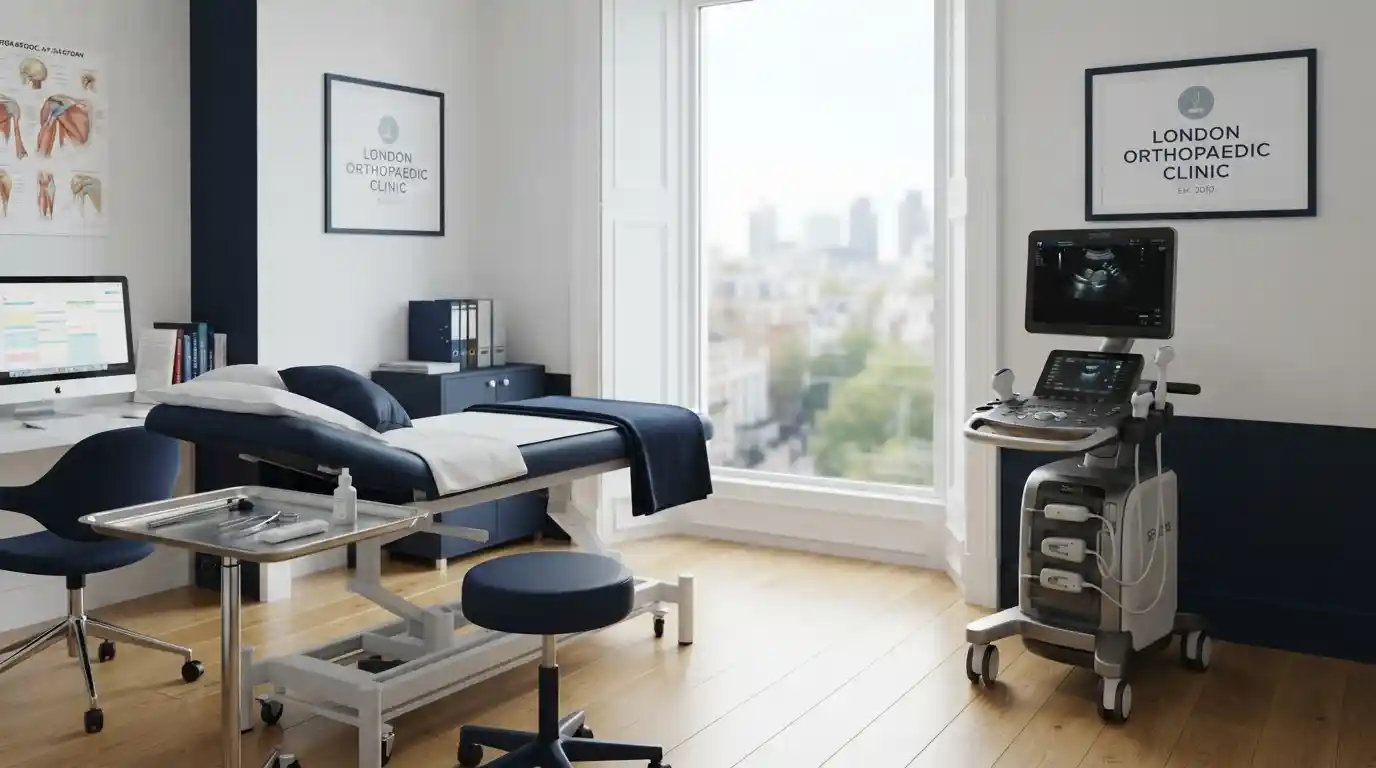
This is the section most competitor sites gloss over. Here’s a realistic, step-by-step breakdown based on how the procedure runs at a regulated London clinic.
Step-by-Step Appointment Breakdown
- Preparation (10 minutes): Doctors apply topical numbing cream, or offer a penile nerve block for patients with a lower pain threshold.
- Blood draw (5 minutes): A small sample is taken from the arm, similar to a routine blood test.
- PRP processing (15 minutes): A dual-spin centrifuge protocol concentrates the plasma to a higher platelet level than standard single-spin methods.
- Extraction (5 minutes): The doctor draws the concentrated plasma into syringes, calibrated to your individual anatomy and goals.
- Injection (10 minutes): Doctors administer the PRP using ultra-fine needles across four to five precise sites. Most patients describe mild pressure rather than pain.
- Aftercare: The doctor explains recovery steps directly and may provide a medical-grade vacuum device for home use.
The whole appointment takes roughly 30 to 40 minutes, and there’s no need for anyone to drive you home afterwards.
Recovery and Downtime
You can return to normal activity — driving, work, daily routine — immediately. Doctors advise avoiding sexual activity for four to five days to let the treated tissue settle. Minor swelling or sensitivity can occur for 24 to 48 hours, which resolves on its own.
P-Shot Before and After: A Realistic Timeline
This is exactly the kind of practical detail competitor articles rarely lay out clearly, so here’s what to actually expect week by week.
- Week 1–2: The treated area settles; some men notice a mild increase in sensitivity.
- Week 4: Early improvements often appear — stronger morning erections and increased sensitivity are commonly reported.
- Weeks 8–12: Most patients notice the clearest changes in firmness, sensitivity, and confidence during this window.
- 12 months and beyond: Results typically last 12 months or longer, though this varies by age, circulation, and lifestyle. Many men choose an annual maintenance session.
Individual results always vary, and no responsible clinic should promise identical outcomes to every patient.
Priapus Shot Price in London: What You’ll Actually Pay
Cost transparency is another area where competitor pages fall short — several list pricing as “available on consultation” without giving readers a number to plan around. Based on published data from a CQC-regulated London clinic:
- Standard P-Shot: £1,250 (single session, dual-spin PRP processing included)
- Enhanced P-Shot + Shockwave: £1,350 (combines PRP with low-intensity shockwave therapy, recommended where vascular factors play a bigger role)
Every package includes a consultation, dual-spin PRP processing, numbing or nerve block anaesthesia, the injection itself, and two included follow-up consultations at six and twelve weeks. 0% finance is available for patients who prefer to spread the cost.
How It Compares to Other Options
| Treatment | Cost | Downtime | Results Last |
|---|---|---|---|
| P-Shot PRP | £1,250 | None | 12+ months |
| P-Shot + Shockwave | £1,350 | None | 12+ months |
| PDE5 medication | Ongoing | None | 4–6 hours |
| Shockwave alone | £500/session | None | Up to 2 years |
| Penile implants | £8k–£15k | 4–6 weeks | 10+ years |
Booking a Consultation in London
If you’re weighing up a Priapus shot treatment in London, the practical details matter as much as the science. Appointments run from a private clinic on Wimpole Street, Marylebone, and the reception line operates 10:00–18:00 UK, Monday to Saturday. Every injection is performed personally by the treating physician, from blood draw to final injection — not delegated to a nurse or junior team member.
For men who’d rather watch the process explained before booking anything, our clinic’s YouTube channel covers the P-Shot procedure and patient experiences in more detail.
Consultation-first clinics tend to give more honest answers than same-day booking pages, simply because a proper medical history review has to happen before anyone commits to treatment. If you’d like a straightforward next step, you can book a consultation to check suitability before deciding anything.
Frequently Asked Questions
How is the P-Shot different from Viagra or Cialis?
PDE5 medication works temporarily and chemically. The P-Shot aims to support long-term tissue and vascular changes using your own biology.
Can I have sex the same day?
No. Doctors generally advise waiting four to five days to let the treated area settle properly.
How many sessions will I need?
Most patients start with a single session, then review progress at the six and twelve-week follow-ups to decide whether a repeat or maintenance session makes sense.
Is the P-Shot permanent?
No treatment claims permanence. Results commonly last 12 months or longer, and outcomes vary between individuals.
Final Thoughts
The P-Shot isn’t a miracle cure, and any article claiming otherwise is doing readers a disservice. What it offers is a biologically grounded, non-surgical option for men who want to address the underlying physiology of erectile dysfunction rather than simply managing symptoms with medication. The evidence base is growing, results vary, and a proper consultation should always come before any injection.
If you’ve read this far, you’ve already done more research than most men manage before booking. The next honest step is a face-to-face consultation where a doctor can review your history and tell you plainly whether this treatment suits your situation.
Related Reading From Dr SNA Clinic
- P-Shot London — Full Treatment Overview and Pricing
- Is the P-Shot Worth Getting? An Honest Answer
- P-Shot for Erectile Dysfunction: What the Evidence Says
- P-Shot for Peyronie’s Disease: What Early Research Shows
- P-Shot for Lichen Sclerosus: What Early Research Shows
- Can the P-Shot Help With Low Libido?
- Erectile Dysfunction Treatment UK: Every Option Explained Honestly
- P-Shot Side Effects: What Are the Risks and How Common Are They?
Dr Syed Nadeem Abbas, MBBS, MRCSEd, MSc Aesthetic Plastic Surgery (Distinction) Medical Director, Dr SNA Clinic 48 Wimpole Street, Marylebone, London W1G 8SF GMC Registered | CQC Regulated | Monday to Saturday 10:00–18:00 +44 7955 836986 | info@drsnaclinic.com